






Finally a product that does what it's supposed to and is all natural. A very good company with great service and customer communication. All this for a reasonable price product. Will be doing business again!
Thank you so much for your wonderful review!
We’re truly happy to hear that our product worked well for you and that you appreciate our natural approach, customer service, and communication. Comments like yours encourage our entire team and remind us why we are passionate about creating safe, plant-based hair care products.
We sincerely appreciate your support and look forward to serving you again in the future!
Love it.
Thank you so much for your kind words!
We’re truly happy to hear that you love the Brown shade. It means a lot to our team to know you’re enjoying our organic hair color.
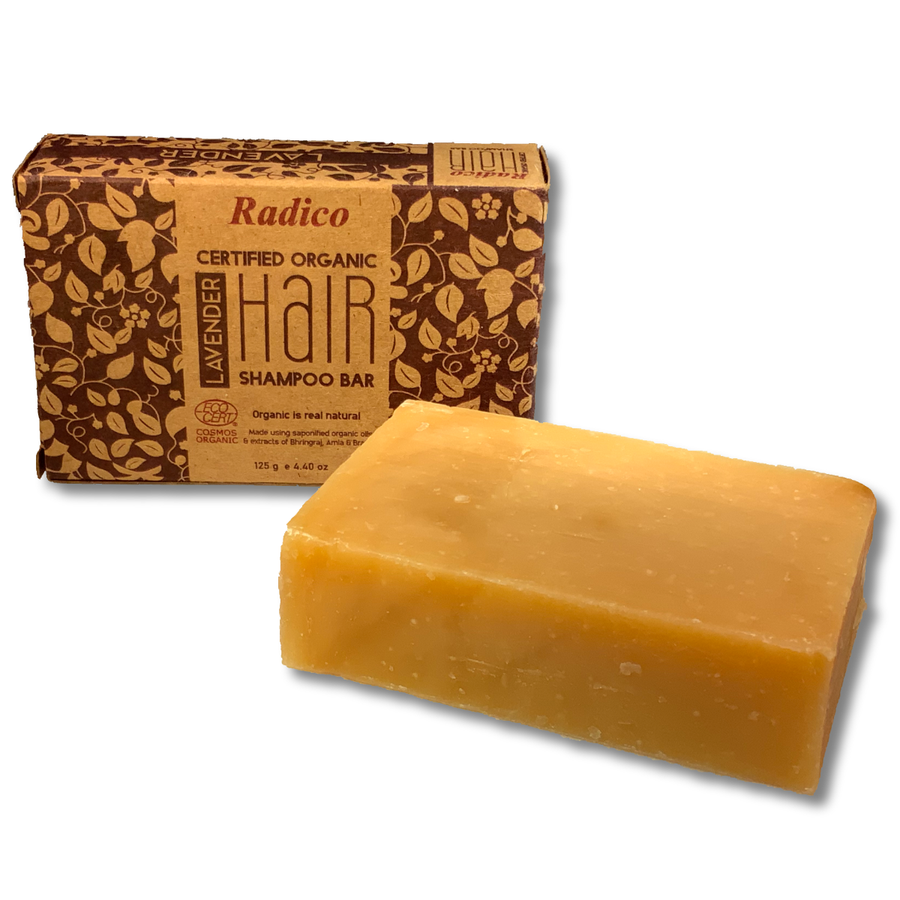
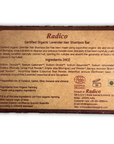
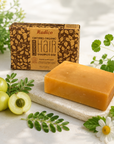
I have fine hair and have been under the belief that my hair needs to be “squeaky clean” and then add a load of volumizing & super moisturizing conditioner to make it right. Radio’s shampoo bar doesn’t weigh it down or strip it -which feels odd at first, but that’s actually because my hair is not being stripped of its natural oils in the first place.
Sooo…..No more clumps of hair in the drain and no need for conditioner. My hair looks and feels great!
Thank you so much for your wonderful review!
We’re truly happy to hear that our shampoo bar is working so well for your hair.
At first, it can feel a little unusual because your hair and scalp are adjusting back to their natural oil balance. But once that balance stabilizes, your hair can return to its naturally healthy, soft, and beautiful state—just as you described.
It brings our whole team great joy to know we could help you experience your hair in its best, most natural condition.
It made my hair feel very soft and healthy.
Thank you so much for your kind comment!
We’re truly happy to hear that the Neem Powder made your hair feel soft and healthy. I personally use Neem hair powder regularly as well, and I’ve also noticed how much softer and smoother my hair becomes over time.
It means a lot to us to know you’re enjoying the benefits of natural herbal care.
The color is exactly what I wanted, it looks so natural.
Thank you so much for your kind comment!
We’re truly delighted to hear that Champagne Blonde matched your hair so beautifully and gave you the natural look you were hoping for. It makes our whole team very happy to know it worked perfectly for you.
After having a stroke at a young age, I decided I would never again put chemicals on my head. When I found Radico, I was overjoyed. Not only is it both natural and organic, it’s also beautiful.
In covering my grey streaks, the product gives me what looks like highlights, which makes the end result look very natural and not from a bottle (or expensively done from a bottle).
Also, it leaves my hair looking shinier, healthier and stronger each time I use it. My hair gets thicker and more lush for weeks after a treatment. Not something I can say for a salon chemical color job.
Last but not least, they have great customer service. When they accidentally sent me just one package after I had ordered two, the team responded to my email about it immediately. They sent my second package out the same day. To be clear, I’ve only had an error like this one on my order once, after buying this product for years now.
Love love love.
Thank you so much for your beautiful and thoughtful review.
Your story truly touched us. We are so grateful that you chose to trust a natural path, and it means the world to us that our products have been a part of your journey. Knowing that our herbal hair color not only gives you a natural, highlighted look but also helps your hair feel healthier, shinier, and fuller is exactly why we do what we do.
Your kind words about our customer service also mean so much to our team. We always strive to support our customers with care, and we’re so glad we could make things right for you.
Thank you for your continued trust and love over the years — it truly inspires all of us. ✨
After developing a work related chemical exposure allergy , my skin flared with any chemical dyes from then on.
Extremely thankful I found this 1 step protective Henna
Our entire team feels encouraged and thankful to hear that our product could be a safe alternative for you. Wishing you continued comfort, confidence, and healthy, beautiful hair.
Product never arrived and though I've written, no answer and no explanation. I ordered 8 packets so that is a lot of money.
According to USPS tracking, your original order of 8 Brown packets was delivered on February 9 (Delivered to Front Door/Porch). However, after you informed us that the package had not arrived, we immediately arranged a replacement shipment of the same items.
For the second shipment, we used UPS for added security, and we received confirmation from UPS that the package was successfully delivered to you on February 24.
We always take situations like this very seriously and appreciate your patience. If you have any further concerns or need assistance, please don’t hesitate to contact us—we are here to help.
Makes my thick, healthy , love the color !
Dear Maria Cook,
Thank you so much for your wonderful 5-star review! 🌿💚
We truly appreciate your continued support — having used our products 14 times, you are one of our valued customers we genuinely recognize and look forward to serving each time. It means so much to our team that we even know your name when preparing your shipments!
We’re especially happy to hear that your hair feels thicker and that you love the color. Knowing that our herbal hair color is supporting the health of your scalp and hair brings real joy to everyone on our team.
Thank you for being such a loyal part of the Radico USA family — your kind words truly motivate us every day. 🌿✨
Your hair color is not to my liking at all and I don't like it, because I ordered the dark brown color but it turned my hair purple and blue and I became the laughing stock of my friends, please refund my money and take back your product.
Thank you for purchasing Indigo Leaf Powder and Men’s Dark Brown, and we’re very sorry to hear about your experience.
As noted in the first-time user guide included with your shipment, indigo naturally develops color by reacting with moisture after dyeing. It transitions from green to blue over time. If the hair dries too quickly, the oxidation process can stop prematurely, which may result in a purplish tone. Since our hair color contains no chemical additives, the color develops through this natural pigment process.
We understand how frustrating this must have been. For first-time customers who are not satisfied with their result, we offer support in the form of either a full refund or a complimentary replacement shade. Please contact us at customer-service@radicousa.com and let us know your preference, and we will take care of it promptly.
We truly appreciate you giving our natural hair color a try.
My natural hair color is dark blonde with some grays. I mixed the color according the instructions. First time I decided to keep the mixture on my hair for 60 minutes under plastic foil and warm towel. There was no change to my hair color, the greys were not covered. I didn’t wash my hair for 3 days to see, if there will be any difference with my hair color. Nothing. On the fourth day after first coloring, I repeated the whole process. This time I waited 80 minutes before rinsing my hair. Again, I waited 3 day before washing my hair to see, if there will be the oxidation process, as I saw on one video. Nothing happened. My hair is not colored at all. Waste of money and my time. I won’t be buying this product in the future.
Thank you for taking the time to share your detailed experience. We’re truly sorry to hear that Wheat Blonde did not work for you, despite your careful and patient application.
Wheat Blonde is one of our lightest shades and does not contain henna, which means that depending on hair type—especially for some gray or low-porosity hair—it can be more difficult for the herbal pigments to take. Because our hair color is made only from plants and contains no chemical additives that force color into the hair, results can vary significantly from person to person, and in some cases the color may not develop at all.
For this reason, we have a First-Time Customer Assurance:
If the color result is not as expected, we are happy to either
• send a different shade at no cost, or
• issue a full refund for the hair color.
We understand how frustrating this experience must have been, especially after investing both time and effort. If you are open to it, please contact us at customer-service@radicousa.com, and let us know which option you would prefer. We will take care of it promptly.
Thank you again for giving our 100% organic hair color a try, and we sincerely apologize that this experience did not meet your expectations.
I purchased the products using my brother’s address in Miami because unfortunately they are not available for sale in Colombia. I have already used the products and they worked very well for me. It also makes me happy to use a product that is good for my hair and for the planet. Muchas gracias.
Thank you so much for your kind and thoughtful comment!
We’re truly happy to hear that our products worked well for you and that you appreciate both the care for your hair and for the planet. It means a lot to us that you went out of your way to try Radico from Colombia.
We’ve heard similar requests, and your message encourages us even more to explore ways to make our products available in Colombia in the future. Muchas gracias for your support and for sharing your experience—we’re grateful to have you as part of the Radico community.
I am believing that a small bald spot in the back near the top will be filled in by your product. I have long hair and for over a year my hair was matted and tangled big time and much of it broke off trying to untangle it and it left that bald spot, which I don't like. I was coming my hair and all of a sudden it got tangled up and I tried to untangle it and the more I did the more it got tangled. One of these freaky fluky things that never should have happened and it is the only reason my hair is thinner now after having a full head of hair as a male even at 72 years old.
Our products are designed to support a healthy scalp environment and nourish the hair you have, using only gentle, plant-based ingredients. While we can’t make medical claims or guarantee regrowth, many customers appreciate how our herbal formulas help keep the scalp balanced and hair feeling stronger and healthier over time. Creating the right conditions for scalp health is always a positive first step.
We’re grateful that you chose to try our products, and we truly hope they support your hair and scalp in a way that makes you feel more comfortable and confident. If you ever have questions about scalp care or how to use our products most effectively, please don’t hesitate to reach out—we’re here to help.
covered very well & it didn't smell bad! Thank you for developing a non-toxic swap for hair coloring!
Thank you so much for your wonderful comment! We’re truly happy to hear that the coverage worked well for you and that the natural herbal scent didn’t bother you — especially since our formula contains no added fragrances, only pure, raw herbs. Your kind words mean a lot to our team, and we’re grateful you found a non-toxic alternative you enjoy.
I get a lot of compliments on my shiney hair!
Thank you so much for your lovely review! 🌿
We’re truly happy to hear that your hair is receiving so many compliments on its shine. It brings our team great joy to know that our organic hair color could help enhance the natural radiance your hair already has. We’re grateful to be a small part of keeping your hair healthy and beautifully vibrant! 💚
Amazing product. A little hard to apply on my own but results were better than I expected. My hair is so shiny!
Thank you so much for your wonderful review!
We’re thrilled to hear that you’re happy with the results and that your hair looks so shiny. Your naturally healthy, glossy hair brings out the best in our organic color, and we’re so glad our product could help enhance your hair’s natural beauty.
Sorry to say I have been using chemical hair dyes on my hair for many years, until I discovered your hair dye. And I absolutely love it! It last longer than any hair dye I have ever used on my hair. Other dies, always faded out this does not. If it weren’t for the gray at the roots, I would need hair color less often.
Thank you so much for sharing your wonderful experience!
We’re truly delighted to hear that our hair color has lasted so well for you. Because our formula uses pure herbs that penetrate and color the hair from within—not just on the surface—it tends to hold its color much longer than conventional dyes.
As for the roots, freshly grown hair is naturally very healthy, with tightly closed cuticles that can make it harder for the color to absorb. Before dyeing, you might try gently opening the cuticles a bit more—using a mild, soap-based shampoo—to help the herbal pigments attach better to the new growth.
We’re so glad our product has become part of your healthy hair journey.
Simply a gorgeous color. I have light hair so this color came out a gorgeous copper on me. My hair feels so soft and people have been coming up to tell me how healthy and shiny it looks. I’ve used several colors and all of Radico’s blends look natural, but this one is my personal favorite :)
Thank you so much for your kind words and for being a repeat customer!
We’re thrilled to hear that Wine Red suited your hair beautifully. Since our colors are made entirely from pure, additive-free herbs, the final shade blends naturally with your own hair color — we’re so happy that this combination created a tone you truly love.
Your continued trust in our products means a lot to our whole team.
My hair had been color treated before, and I was concerned as to how the Henna would work, but it did cover it and I am really pleased with the color… Wheat Blonde, plus I’m not worried anymore about the toxicity of the products that I was using before, the Henna is completely natural even conditions too what a bonus…
Beautiful color!
Thank you so much for your wonderful comment! We’re thrilled to hear that Wheat Blonde turned out beautifully for you. It makes our whole team very happy to know that our natural hair color helped enhance your hair while keeping it healthy. Supporting the natural beauty of your hair with safe, organic ingredients is always our greatest joy.
The usual ‘natural’ shampoos always dried out my hair as well as the ‘natural’ hair colours, but….
The first time that I used Radico Soap shampoo my hair was soft and the dry frizzy hair was soft and conditioned, and looked healthy again!
I also enjoy the fact that the Soap is REALLY Organic and comes from plants, it’s a good feeling of freshness in the shower, as well as the fact that I’m being kind to my hair!!
Thank you so much for this wonderful comment!
We’re truly happy to hear that the Radico Soap Shampoo suits your hair so well. It’s especially great to know that it transformed dry and frizzy hair into soft, healthy strands — that’s exactly what we hope for when creating our products.
Our team is also delighted that you appreciate the truly organic, plant-based formula. Knowing it brings both freshness to your shower and kindness to your hair makes us incredibly happy. Thank you for sharing your experience — it means a lot to us!
I love that this product is non toxic, but it is a long process! My hair is naturally medium blonde with a little gray. It came out red, which is not what I wanted. Also, it says do not wash your hair for 3 days after dyeing it. That was tough because my hair felt like straw after. I wished that using this product was a bit simpler and it had achieved the results that I had hoped for. I still love that this company is trying to make something safe, it just did not work for me!
Thank you so much for sharing your experience with us.
From what you described, it’s possible that your hair has a tightly closed cuticle, which can make it harder for the herbal pigments to fully absorb into the hair. For first-time customers, we offer a free replacement in a different shade to help you find the best match for your hair. If you could kindly fill out [https://radicousa.com/pages/first-time-customer-assurance-form] with details about your dyeing process, we’ll be able to provide more tailored advice and send you another color to try.
Also, since chemical-free dyes rely on natural pigments settling into the hair, we recommend avoiding strong shampoos for the first 3 days. This helps the herbs bond properly inside the hair. If you’d like, we can also include a sample of our organic shampoo, which is gentle on freshly dyed hair, when we send your replacement color.
We truly appreciate you giving our 100% natural hair color a try, and we’re here to support you in finding the shade and routine that works best for you.
The product is easy to mix, and the smell was expected. The mix was left on my hair for over an hour with blowdeying every 20-30 minutes. After wash, the hair darkended with no sign of copper. Very disappointed
Thank you for trying our product and for sharing your experience. It seems that the Indigo in the formula reacted strongly with your hair, which can sometimes cause the color to appear darker at first rather than immediately showing the copper tone. With natural plant-based dyes, the shade often continues to develop for 2–3 days as the pigments oxidize and settle.
If, after several days, the color still does not shift closer to Copper Brown, please know that since this was your first purchase and the result was unsatisfactory, we are happy to offer you a refund for the Copper Brown. Simply contact us at customer-service@radicousa.com, and we will assist you right away.
We truly appreciate your feedback and the opportunity to support you on your journey with natural, chemical-free hair color.
I developed an allergy to chemical dyes, so I thought I’d give this a try! I was nervous about using henna because I had heard mixed results regarding color and coverage- but I was pleasantly surprised!!! It was as easy to use as any other hair dye and covered my greys well! It did look a bit green at my roots when I first washed it out, but over two days it darkened (which was kindof fun to watch!) I’ll definitely be using this again!
Thank you so much for sharing your wonderful experience! We’re truly delighted to hear that our Dark Brown color suited your hair and that the process felt simple and enjoyable.
You’re absolutely right—shades like Dark Brown contain a high amount of indigo, which naturally transitions from green to blue over a few days before fully deepening into the final color. It’s part of the unique journey of 100% natural plant-based hair coloring, and we’re so glad you enjoyed watching that transformation happen.
It makes us very happy to know that our product not only worked well with your hair but also brought some fun to the process. Thank you again for your kind words—they mean a lot to our entire team!
This product lives up to expectations. Though the color I chose was too dark, Radico’s customer service was excellent. They sent me replacement bags in a lighter shade and I appreciated their care, responsiveness, and hassle free approach. As for the product, the coverage was great and over the first couple of weeks, the color faded a tad which worked for me. My hair smelt like herbal grass for a few washings. That was probably the most negative thing but it was also tolerable given the benefits of this all natural product. As my roots are growing out, the fascinating thing is unlike chemical permanent color, the roots are not as starkly noticeable with my Radico colored hair seem - it seems to blend a bit. I really like this chemical free alternative.
Thank you so much for your thoughtful review! We’re delighted to hear you enjoyed the natural look and coverage, and our whole team is happy to know our efforts made a difference. The herbal scent lingers for a few days as the plant pigments settle into your hair, but it will fade as the color stabilizes. We truly appreciate your support!
I've had years of experience with "henna", but not with other plant based dyes. I had virgin hair for the past couple of years after deciding not to have bright red hair anymore and am 50/50 salt and pepper. I am just not ready to go completely au natural after all and am not wanting to go back to red... So, I sought out my options and different companies that were plant based and 100% natural as I am allergic to traditional chemical hair dyes no matter how "friendly" they say they are (I have MCAS).
I found Radico and decided on the "wheat blonde" color with realistic expectations that having low porosity hair and being that my hair is salt and pepper.... it just may not work or at least not take the color that well right off the bat which is exactly what happened.
I wish this company had more knowledge and understanding about the plant dyes that they use in their products and especially the instructions. I've read many reviews of unhappy customers that did not have a good outcome with an expected change of color. First off, plants dyes are a whole other ball game...
Any lighter colored dyes (without henna not colorless henna, but HENNA) NEED to develop OVERNIGHT before use. So, about 9-12 hours. Also, you need something acidic to activate said dye... Mix up the dye as per the instructions to an almost honey or yogurt like consistency and then add 3 tablespoons of apple cider vinegar to the mix and stir well so that it is to a honey like consistency. Also, they say not to use boiling hot water. Please use boiling hot water since you will not be applying the dye right away. Then cover with plastic wrap! Let it set over night at room temperature on the counter for use the next morning. Then apply to your hair per instructions and cover it with the plastic cap and even Saran wrap on top of the plastic cap. Use heat periodically (this is also VERY important or use a microwavable heat cap that you can use purchased off of Amazon).
If you have low porosity hair like I do.. leave on for 7-8 hours your first time or even second time around (plan to stay home that day!). It may take up to three times to achieve the color you'd like. The first time around the color was very subtle. The second time around it was definitely more prominent! And, I will be doing it a 3rd time to achieve the color I want.
This all might sound like a major pain and too much work, but really.. it's not and it is totally worth it! You cannot replace your HEALTH! :)
Thank you sincerely for taking the time to share your detailed experience and knowledge about plant-based hair dyeing. Your comment is incredibly valuable—not only to us, but also to many people who are searching for a safe, chemical-free alternative and may feel uncertain about how to achieve the best results.
We truly appreciate your insights on lighter shades, dye preparation, and techniques for low-porosity hair. These details will serve as a great reference for others with similar concerns. To ensure that our customers do not face confusion or challenges, we are now working to improve our instructions—especially for lighter shades and for those whose hair is less receptive to plant dyes. We are making this a priority so that everyone can have clearer guidance and a more satisfying experience.
Your thoughtful input helps us grow and continue our mission of providing 100% organic, plant-based hair colors. We are deeply grateful for your contribution and for choosing our products.