

Organic Hair Color Chart
24 Shades Compared
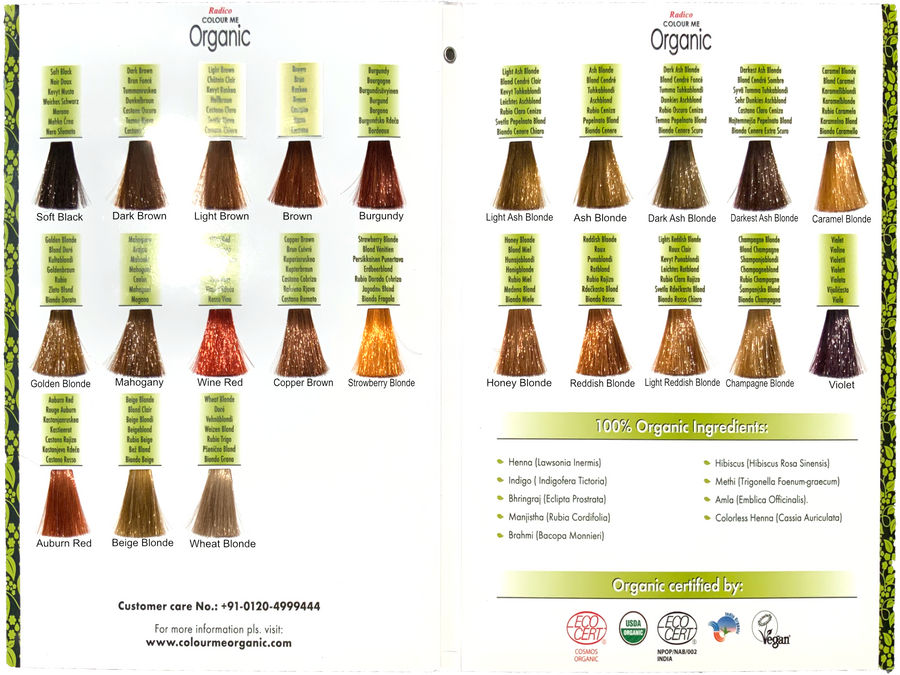
Color pallet

Before you choose
Plant Colour Adds.
It Never Lifts.
Everything on this page works the same way: pigment from leaves and roots settles onto your hair. Nothing is bleached out first — which shapes what these 24 shades can and can't do for you.
What it can do
- Cover or blend grey, at any level from black to blonde
- Take your hair darker, or the same depth in a different tone
- Add warmth, richness and shine to hair of any colour
- Refresh and tone hair that's already light
What it can't do
- Make your hair lighter than it is now — there's no bleach in it
- Turn dark brown or black hair blonde, however pale the shade looks
- Show a pale tone on dark hair — the change may be barely visible
- Remove or correct a colour that's already on your hair
Start from where you are
What to expect, based on your hair now
Dark brown or black
Shades at your depth or darker will show clearly. Lighter shades will read as warmth and shine in the light rather than a change of colour — and blondes won't show at all.
Choose deep shadesMid to light brown
The widest range is open to you. Browns, coppers and reds all show well, and the golden blondes will tint and warm your hair rather than lighten it.
Most shades workBlonde, lightened or grey
Colour shows at its strongest here, because there's no pigment of your own to work against. Every shade will take — often more strongly than you expect.
Everything showsThe simple rule for choosing
Look at the chart above and find where your hair sits now. Anything at that level or darker will show. Anything lighter will add tone, not lift. If you have grey, that grey is your lightest section — and it's where the shade you pick will show most vividly.
This limit isn't a shortcoming — it's the whole reason the colour is gentle. Lifting hair means stripping pigment out of it, and stripping is where the damage happens. Radico skips that step entirely. It costs you the option of going lighter, and saves you everything that comes with it.
Narrow it down
Shades That Look Alike.
And Don't Behave Alike.
Two shades can sit side by side on the chart and still suit completely different people. What separates them is which herbs are inside — and that decides how well they cover grey, how long they take, and how they fade.
Set 1 of 5
Black & the Browns
"How dark do I want to go — and how much red should show?"

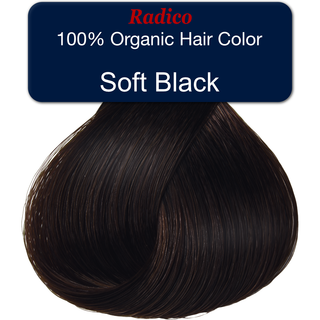
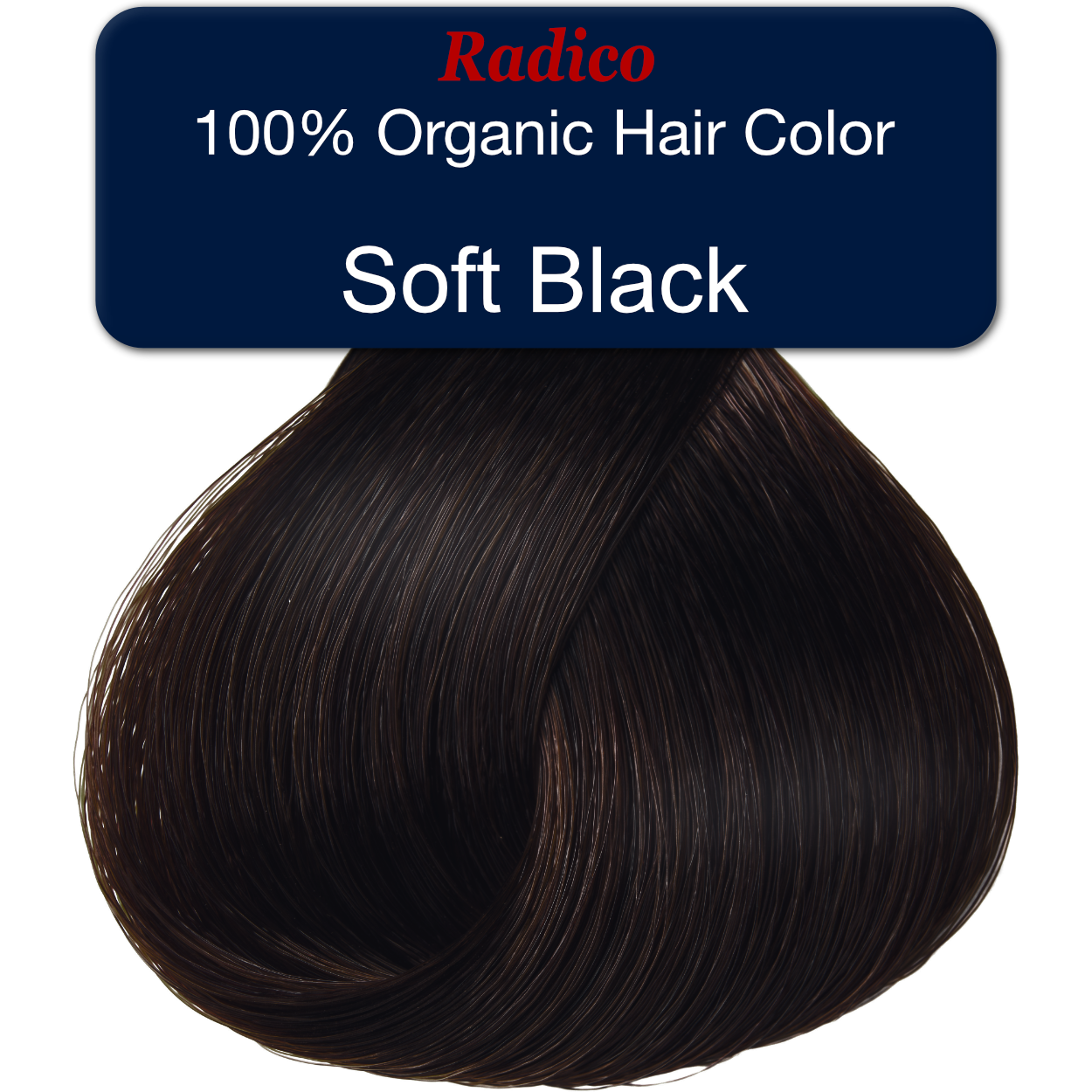
Soft Black
The deepest we make. Most indigo, least warmth — a black that still reads soft rather than flat.
Shop this shade →
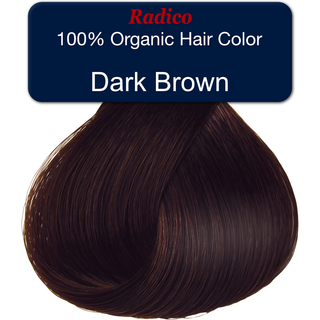
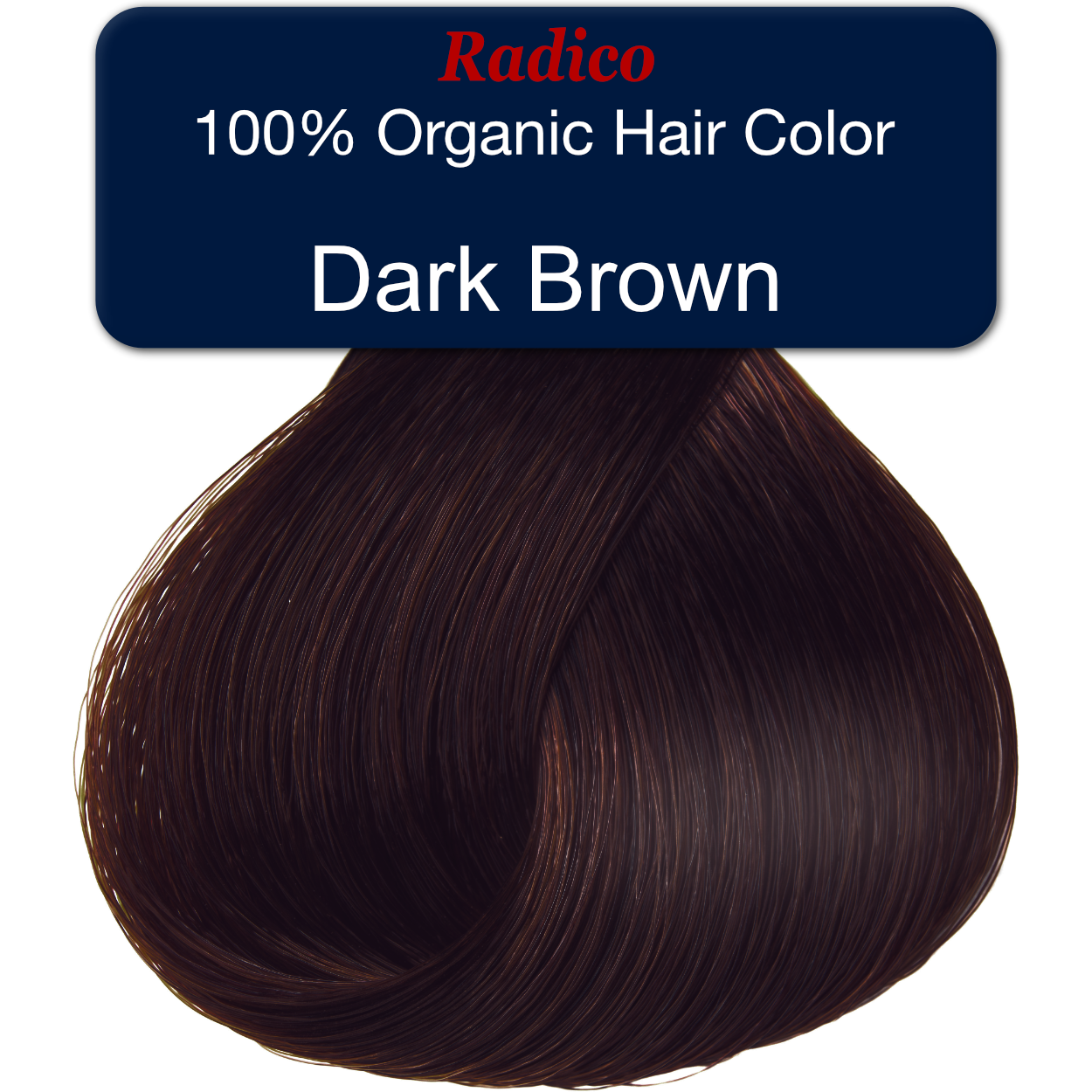
Dark Brown
Our best-seller. Brown indoors, warm in daylight — the safest starting point for most people.
Shop this shade →
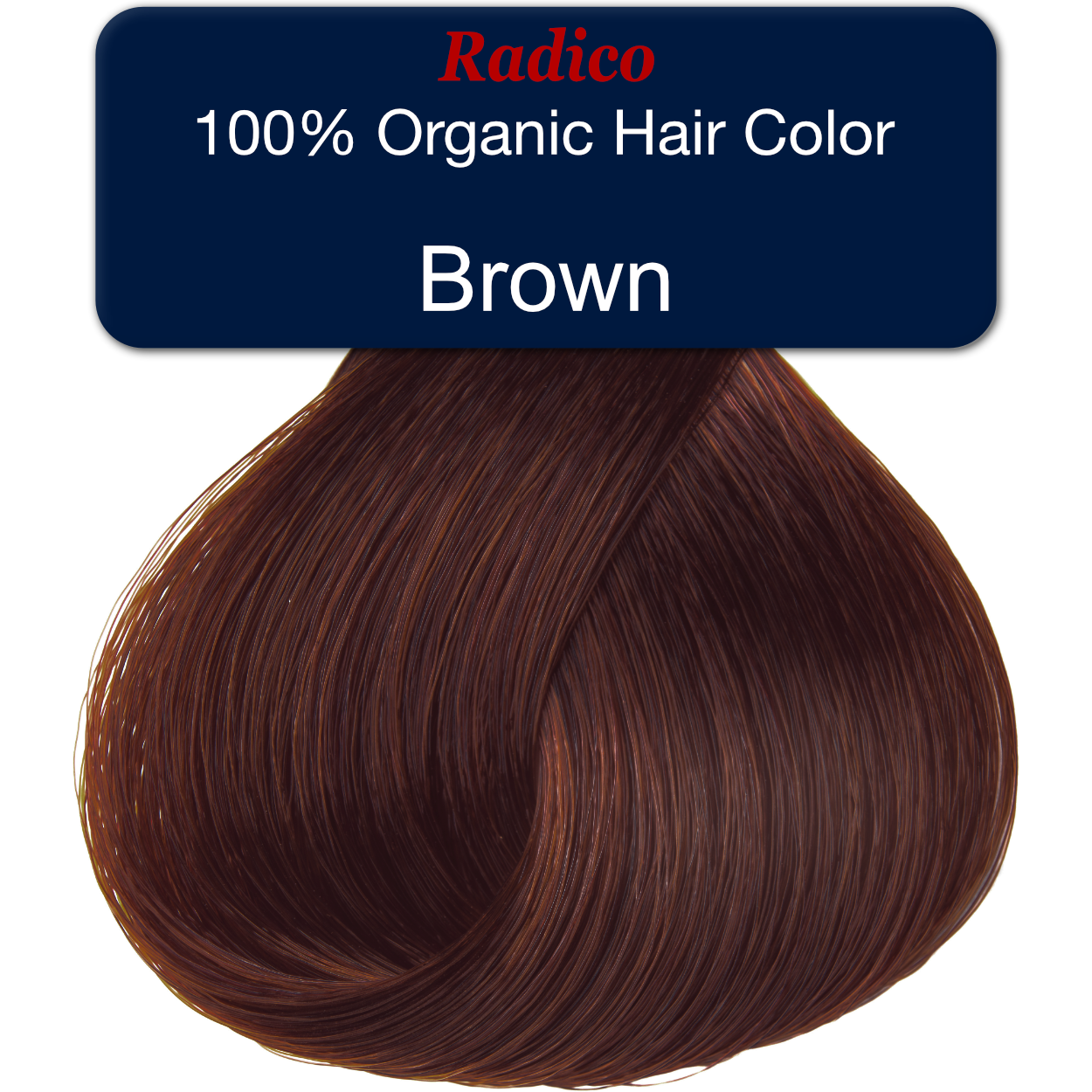
Brown
Where the henna starts to show. Chestnut in the shade, copper in the sun.
Shop this shade →
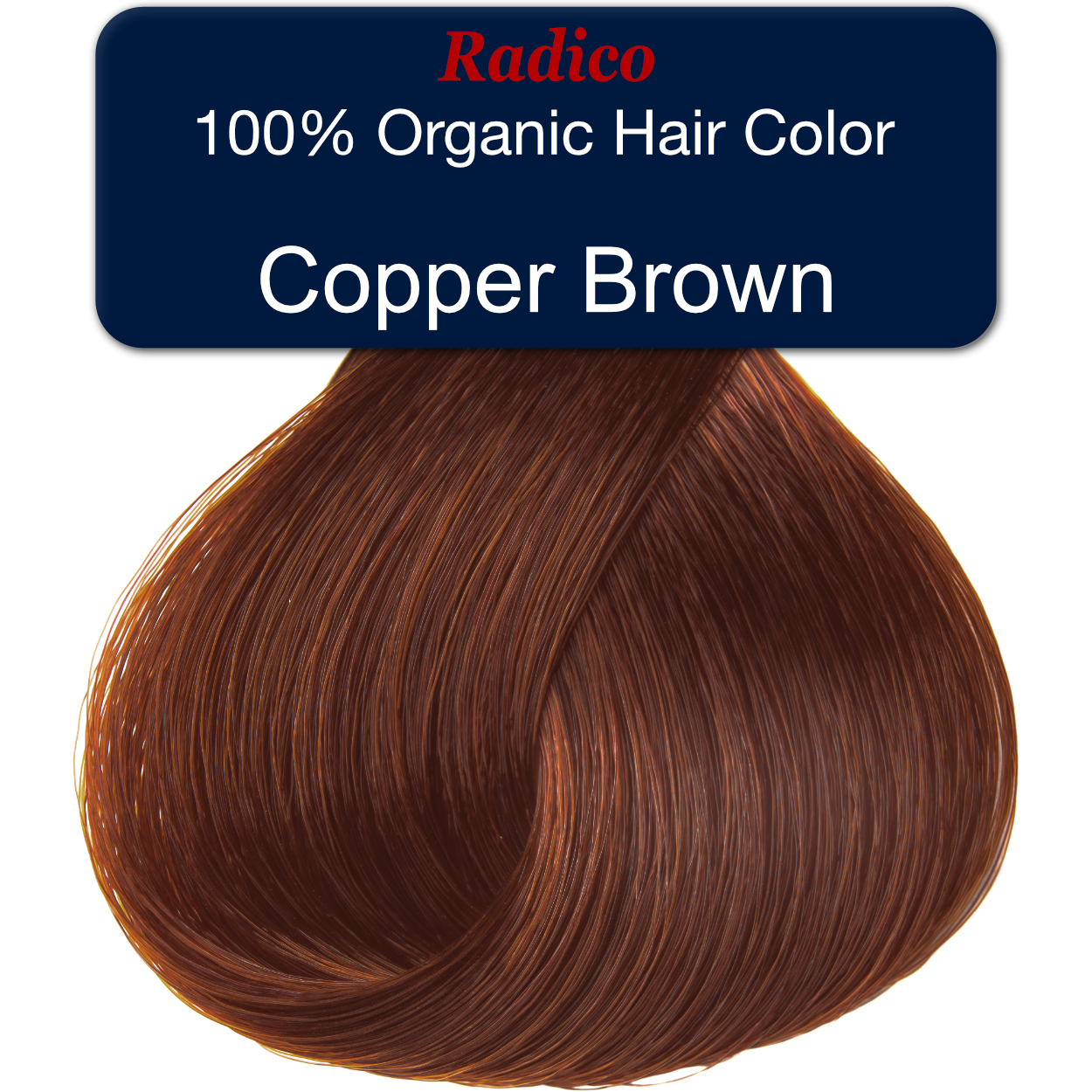
Copper Brown
Same herbs, more henna. Copper is the point here, not a hint — and it holds where bottled copper fades.
Shop this shade →
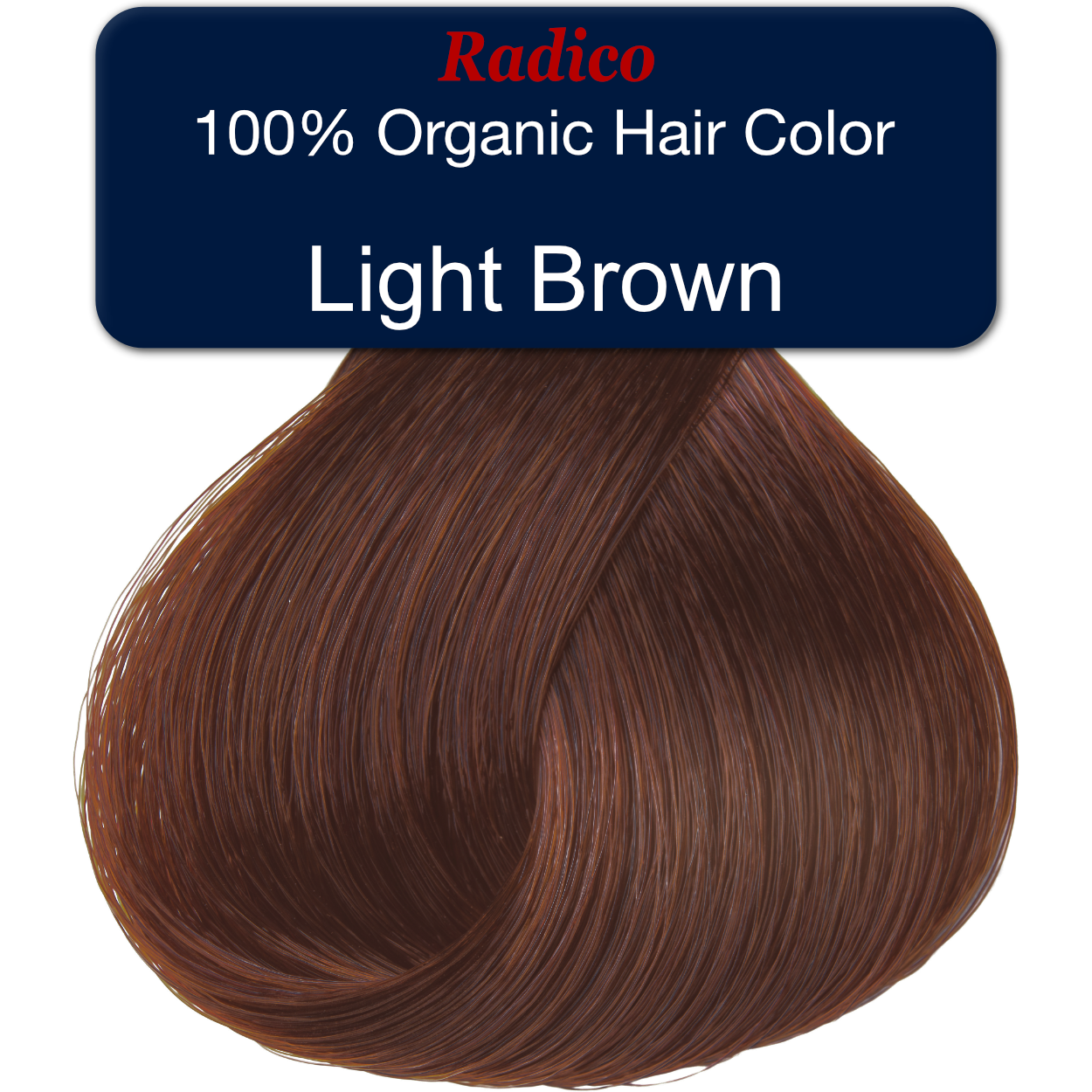
Light Brown
The only one here diluted with colourless henna. It warms rather than lightens — popular for turning grey into highlights.
Shop this shade →What actually decides it
Four of these five are the same two herbs at different ratios — more indigo takes you toward black, more henna toward copper. Pick by how much warmth you want showing in daylight, and remember none of them will lighten your hair.
Set 2 of 5
The Golden Blondes
"They all look golden on the chart. Which one is actually mine?"

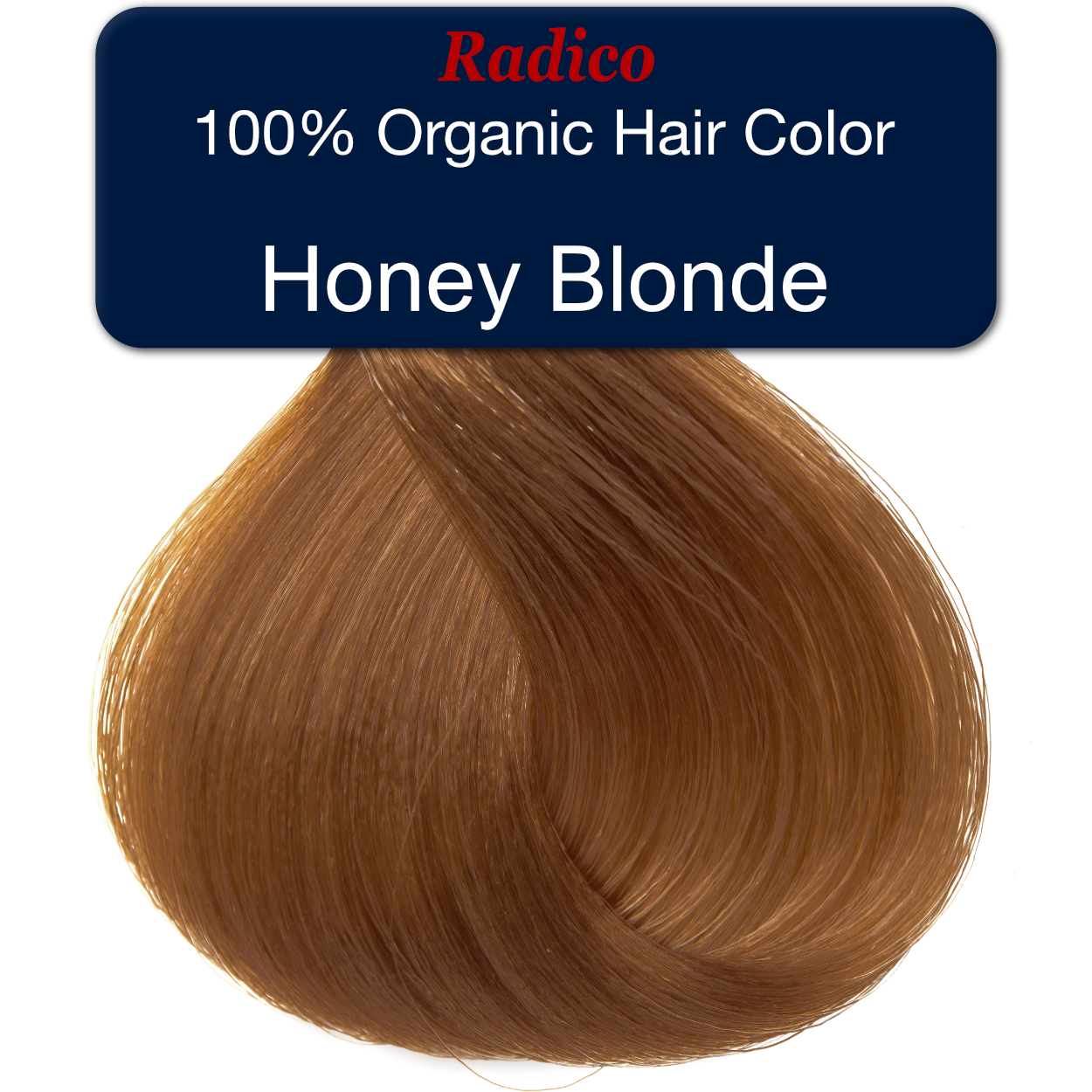
Honey Blonde
The deepest gold, and the only one here with indigo. The strongest choice of the five for covering grey.
Shop this shade →
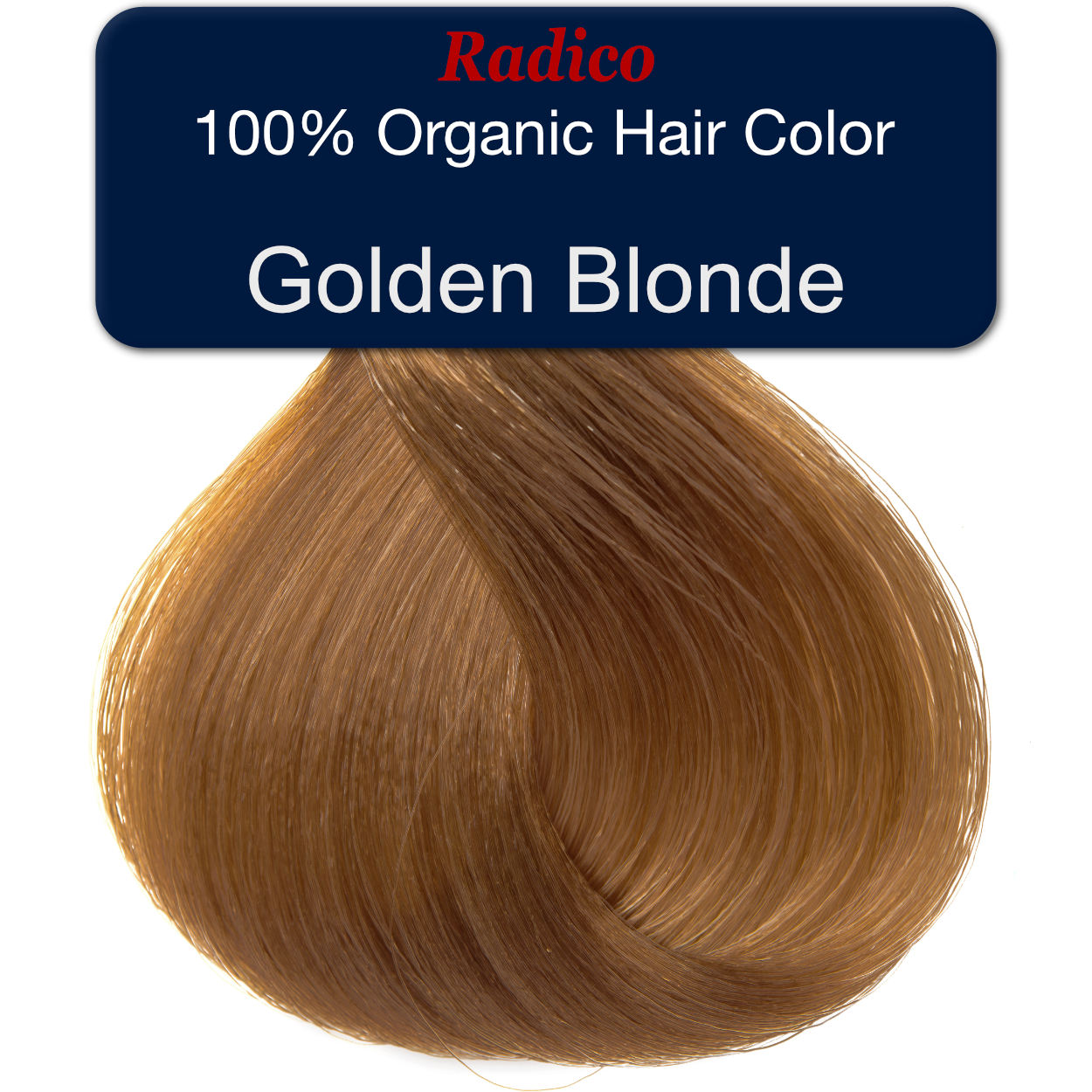
Golden Blonde
The middle ground. Still contains both colouring herbs, just diluted — softer than Honey, stronger than a toner.
Shop this shade →
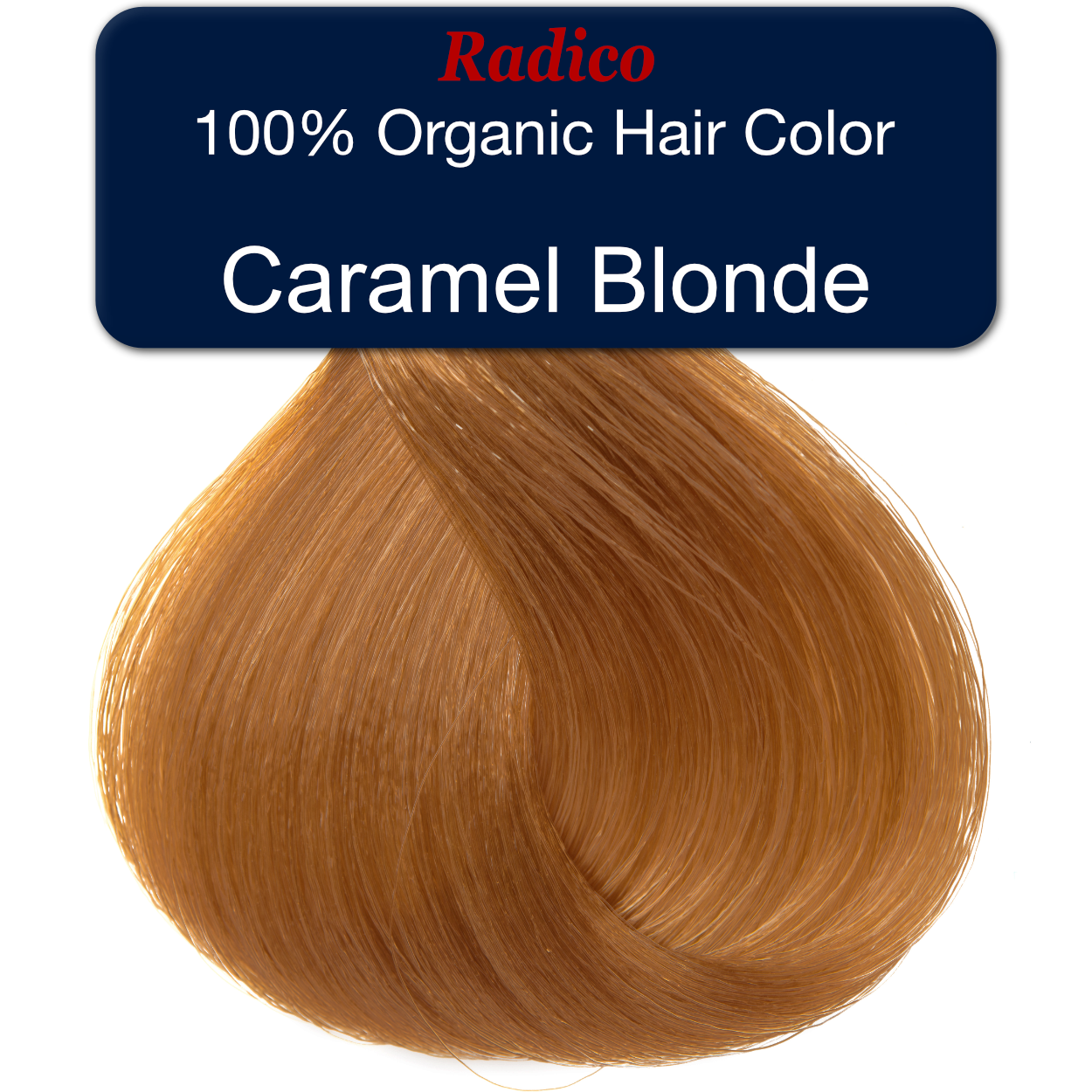
Caramel Blonde
Warm and clean, with no indigo to cool it or slow it down. Settles within a day and fades softer, never muddy.
Shop this shade →
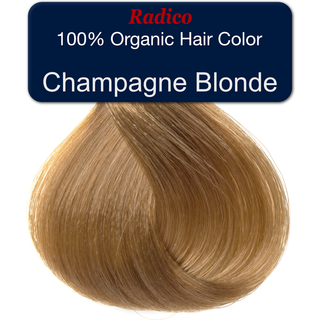
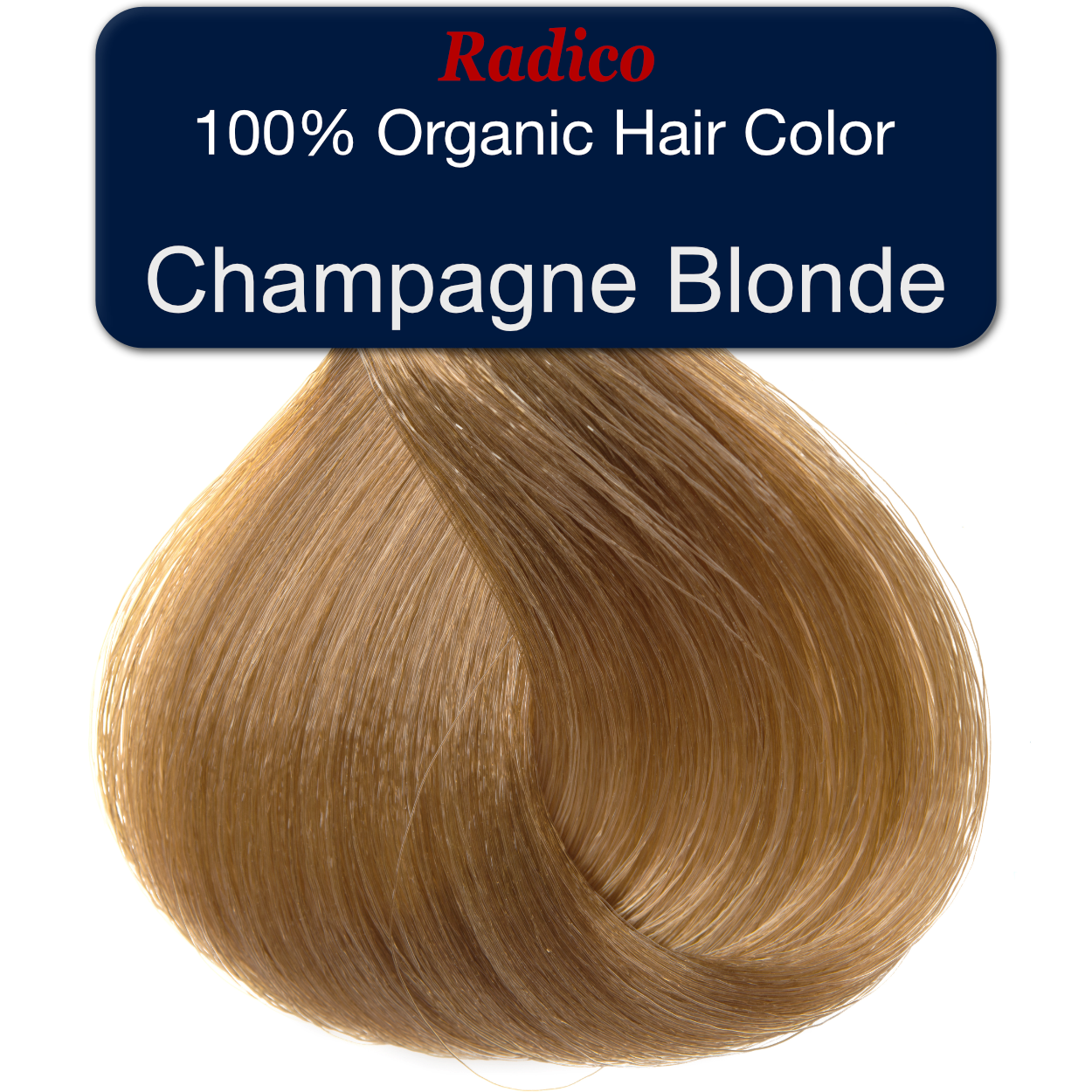
Champagne Blonde
Closer to a toner than a dye. Softens brassy yellow on hair that's already light — it tints grey rather than covering it.
Shop this shade →
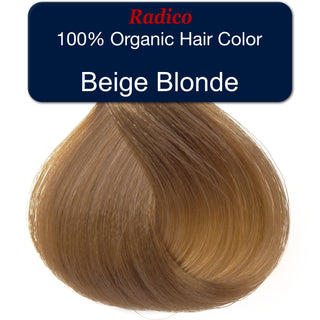
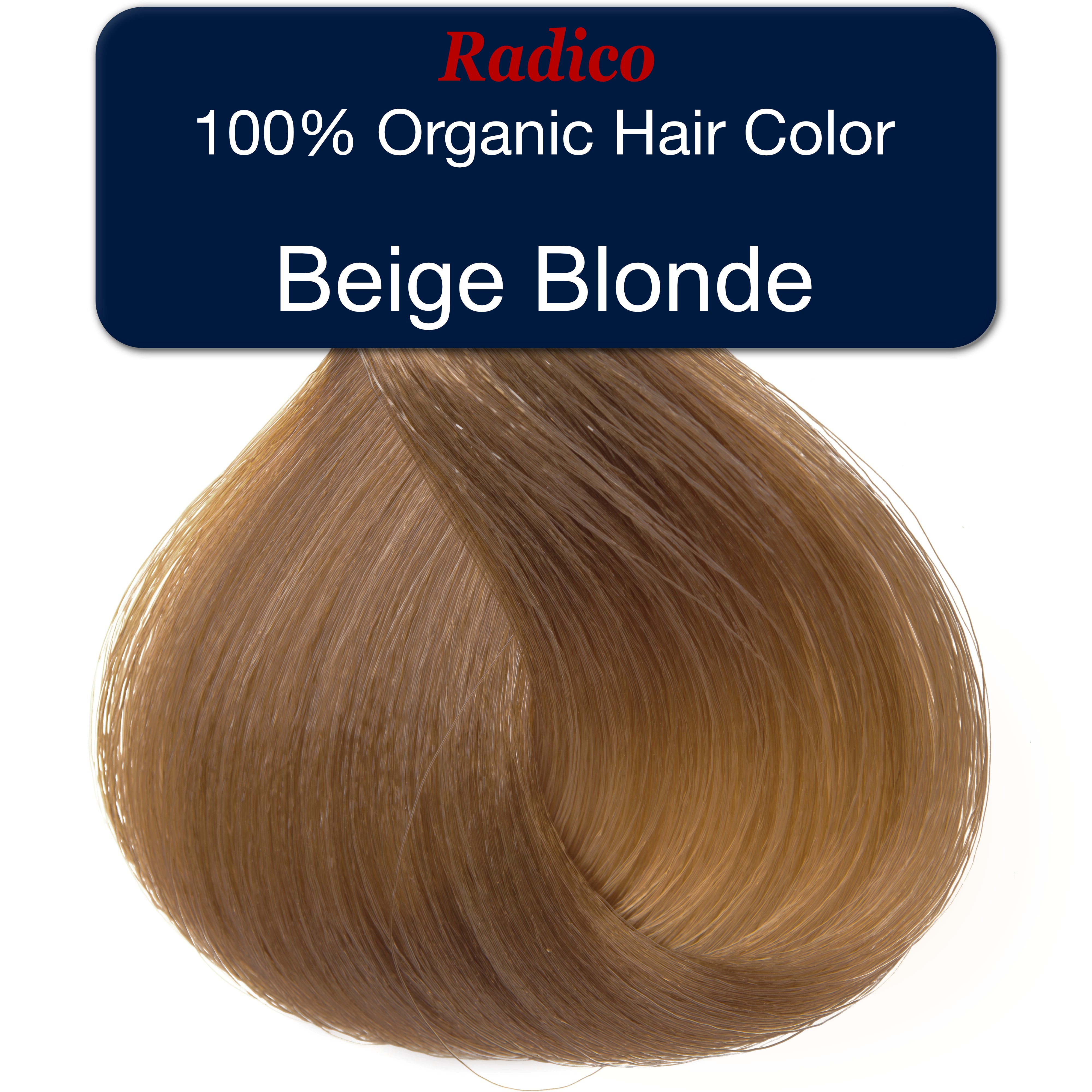
Beige Blonde
The palest and quietest of the five. Tone only — it needs a light base to register at all.
Shop this shade →What actually decides it
This is the set where the herbs matter most — three different types sit inside one tone family. If you want grey covered, start at the Henna + Indigo end. If your hair is already blonde or lightened and you want the tone refined, start at the other.
Set 3 of 5
The Ash Family
"Which ash is light enough for me — and will it even show?"

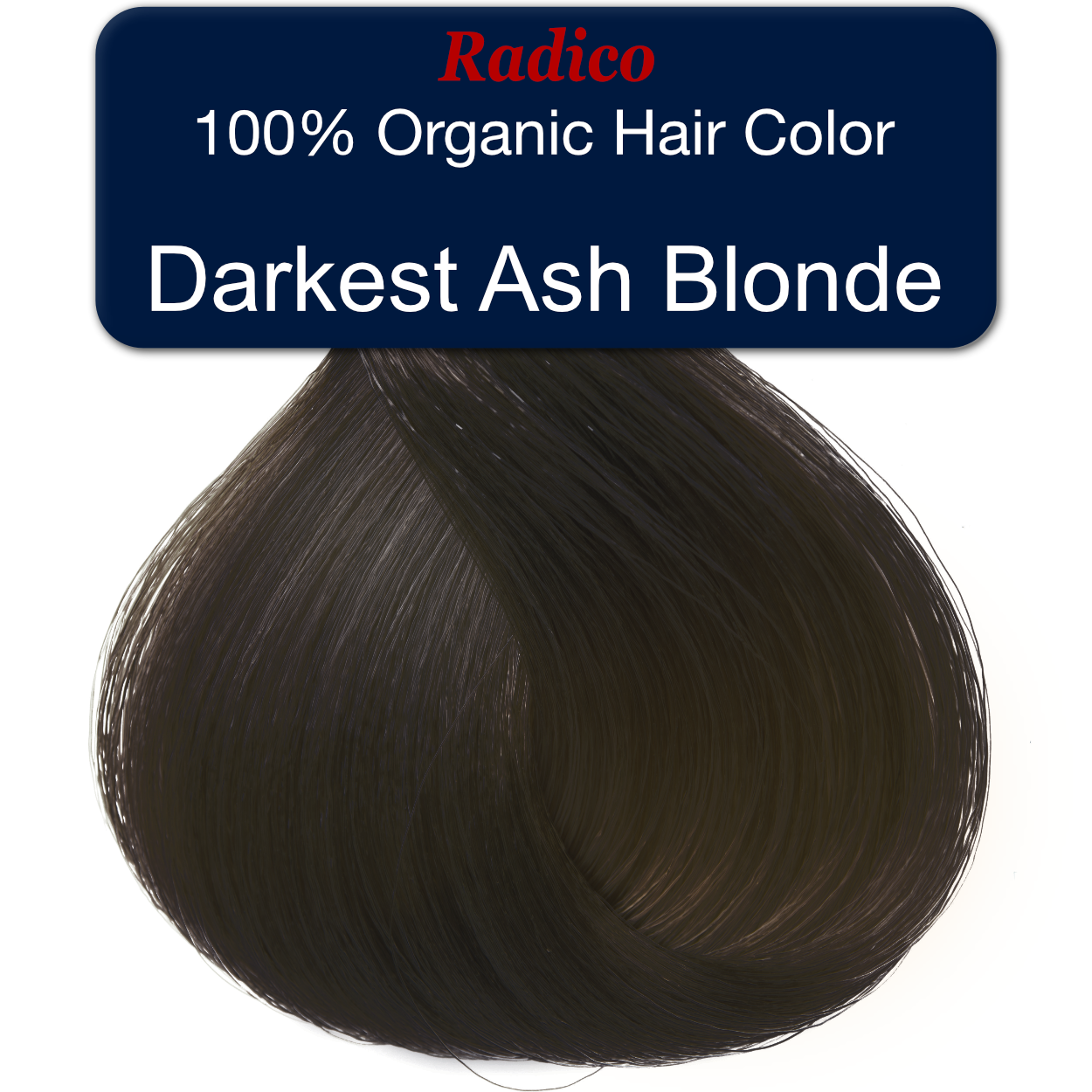
Darkest Ash Blonde
The deepest of the ash tones, and the shortest ingredient list we make — four herbs, no warmth anywhere in it.
Shop this shade →
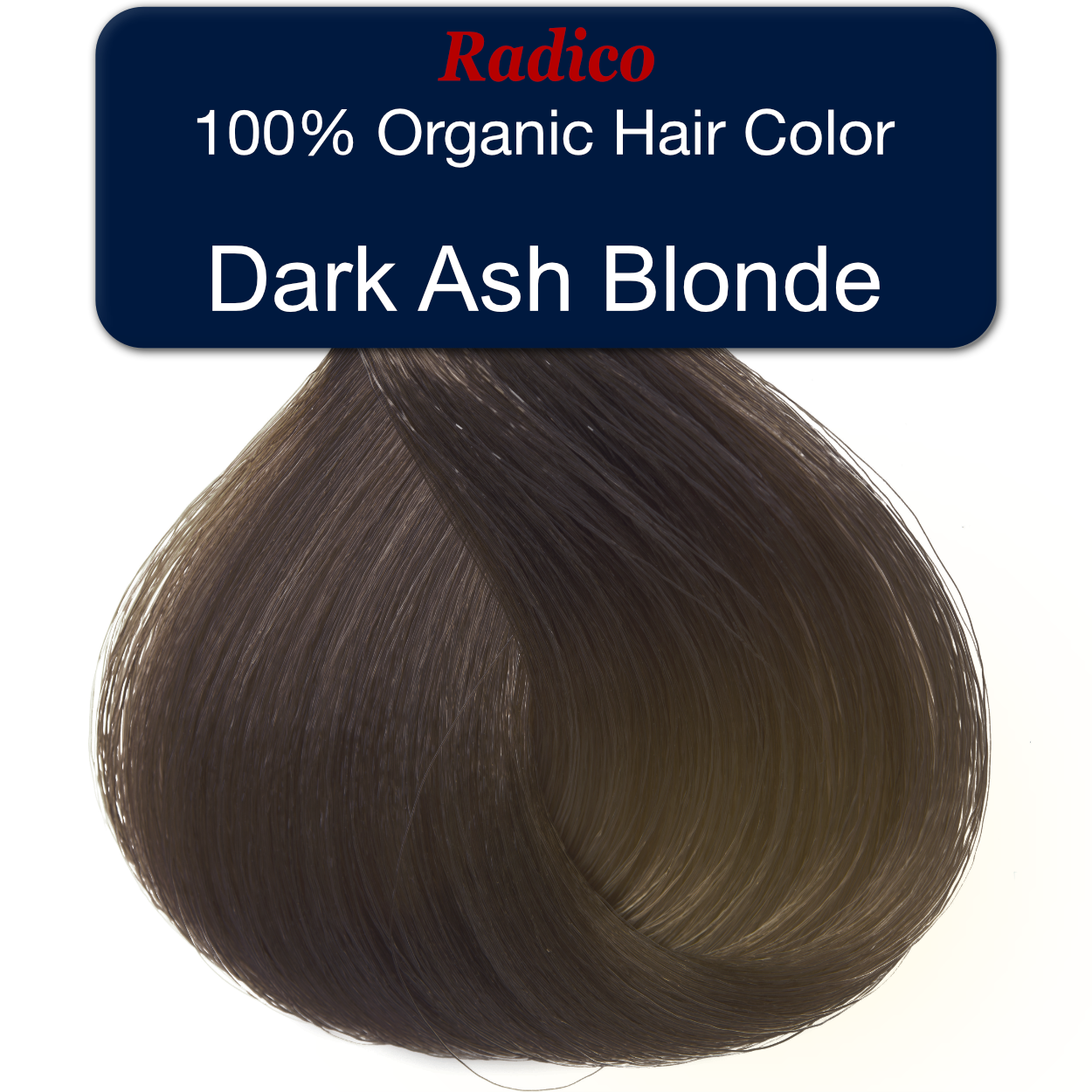
Dark Ash Blonde
A step lighter, with colourless henna added to soften it. Still entirely cool.
Shop this shade →
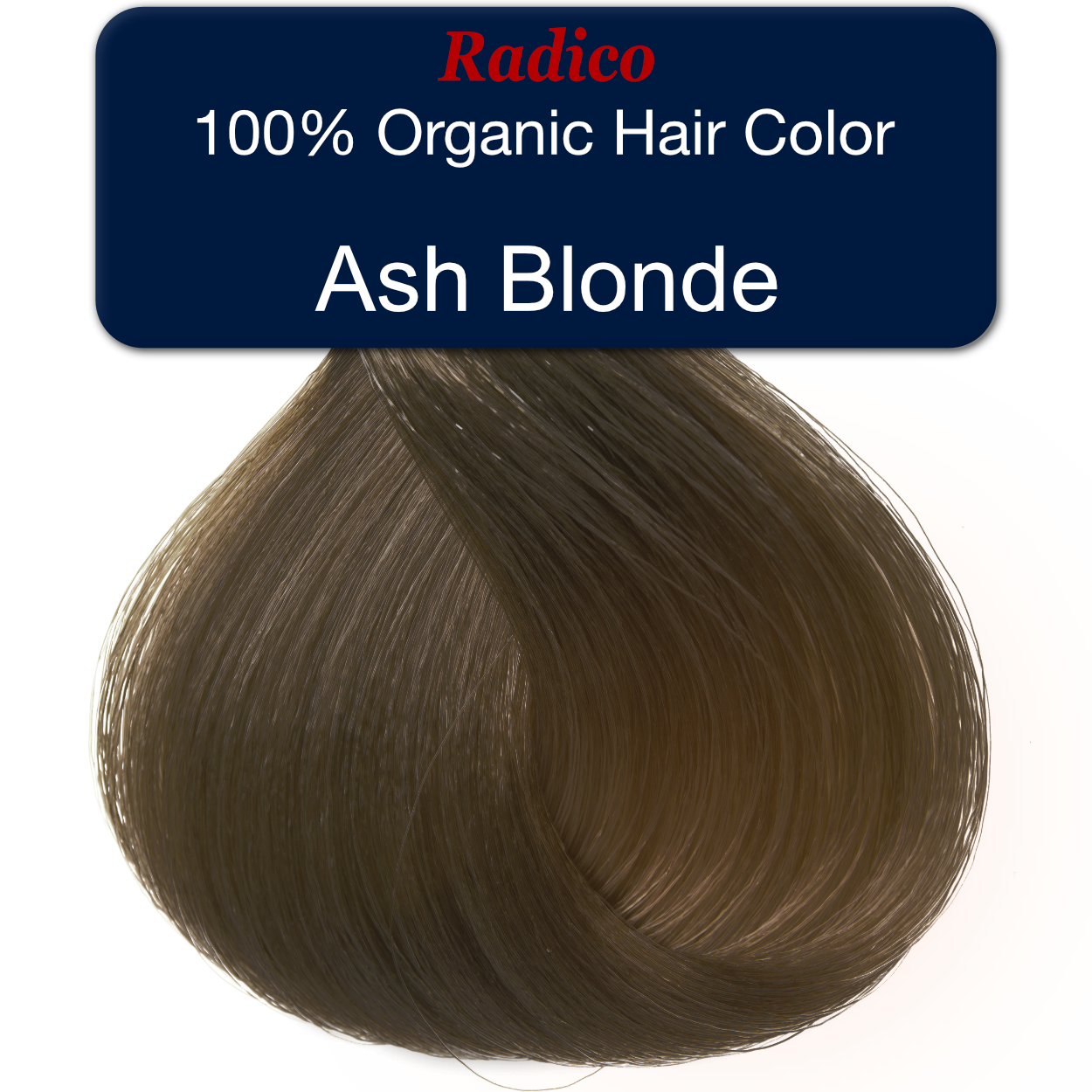
Ash Blonde
The middle of the family. Same herbs as Dark Ash in a lighter balance — ratio is the whole difference.
Shop this shade →
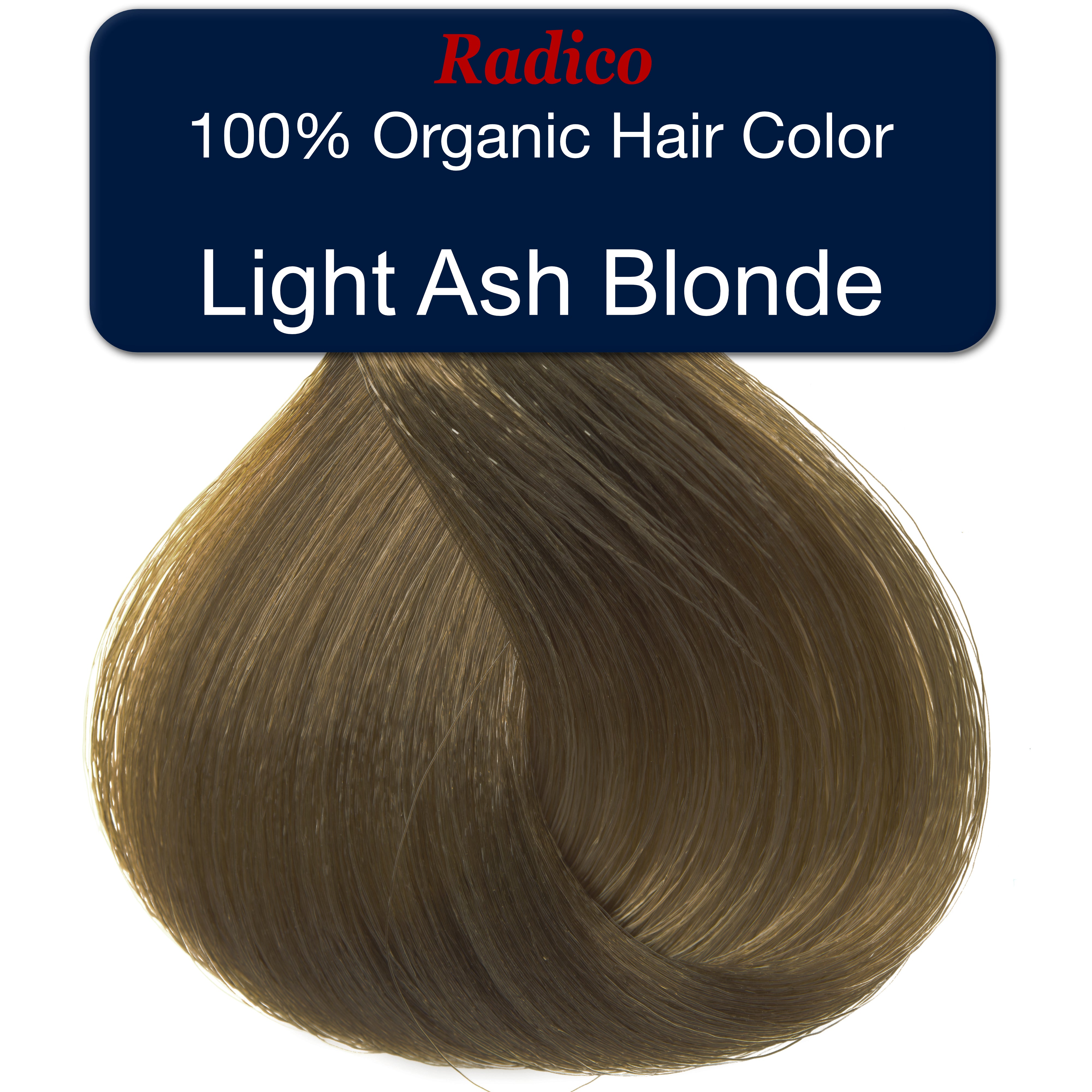
Light Ash Blonde
The exception here — this one does contain henna. That trace keeps it from reading as cool as the rest.
Shop this shade →
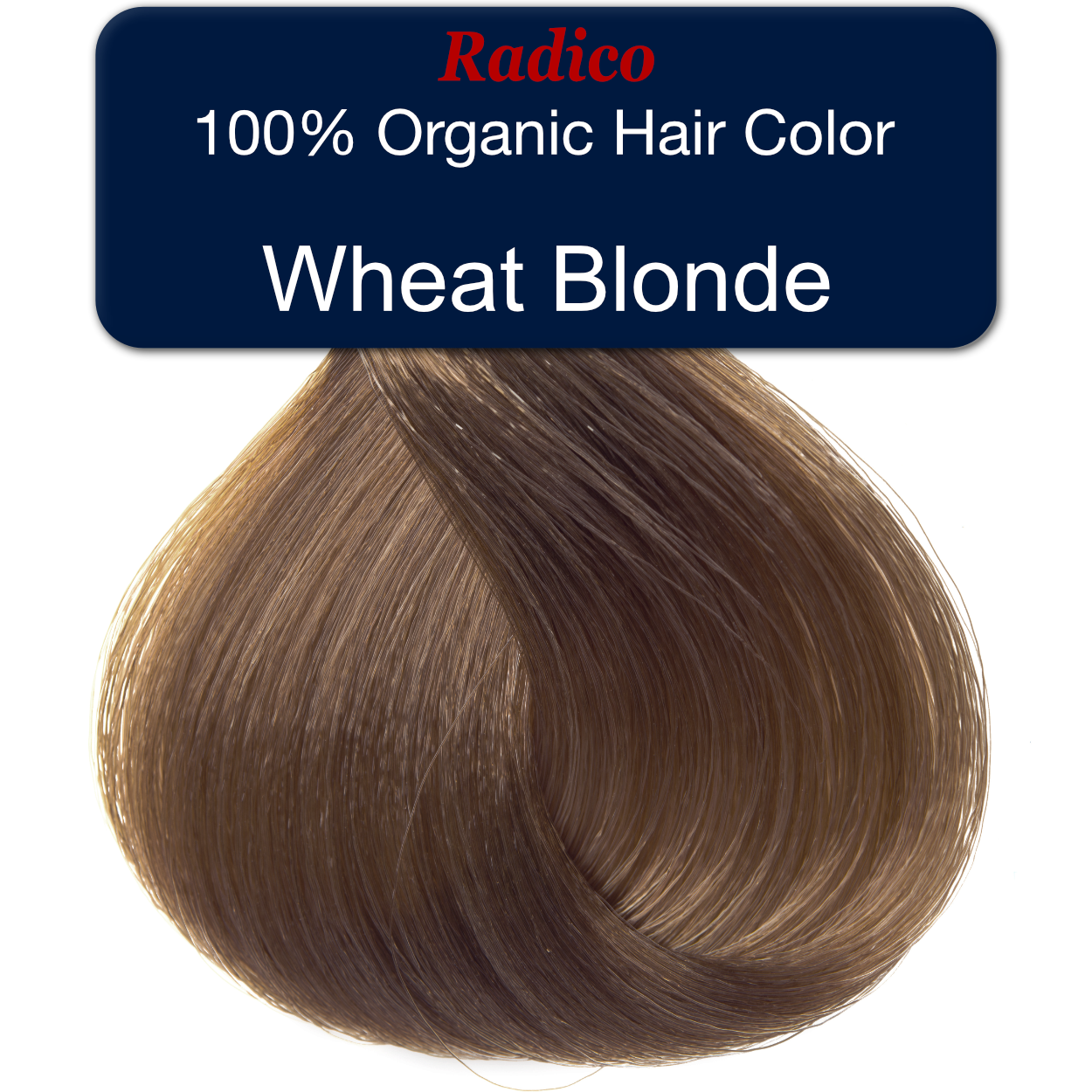
Wheat Blonde
The lightest and softest ash. A muted, neutral blonde rather than a grey-toned one.
Shop this shade →What actually decides it
Four of these five carry no henna at all — the only shades in our range that don't. Without henna's fast-bonding pigment they need the longest development of anything we make, and they only show on hair that's already light or grey. On mid or dark brown hair, expect very little.
Set 4 of 5
The Deep Reds & Bold
"How red, how dark — and how long will it last?"

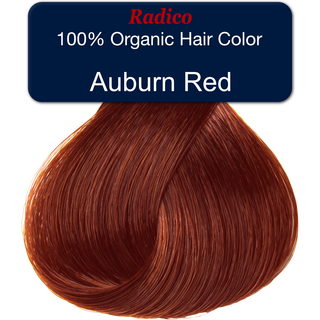
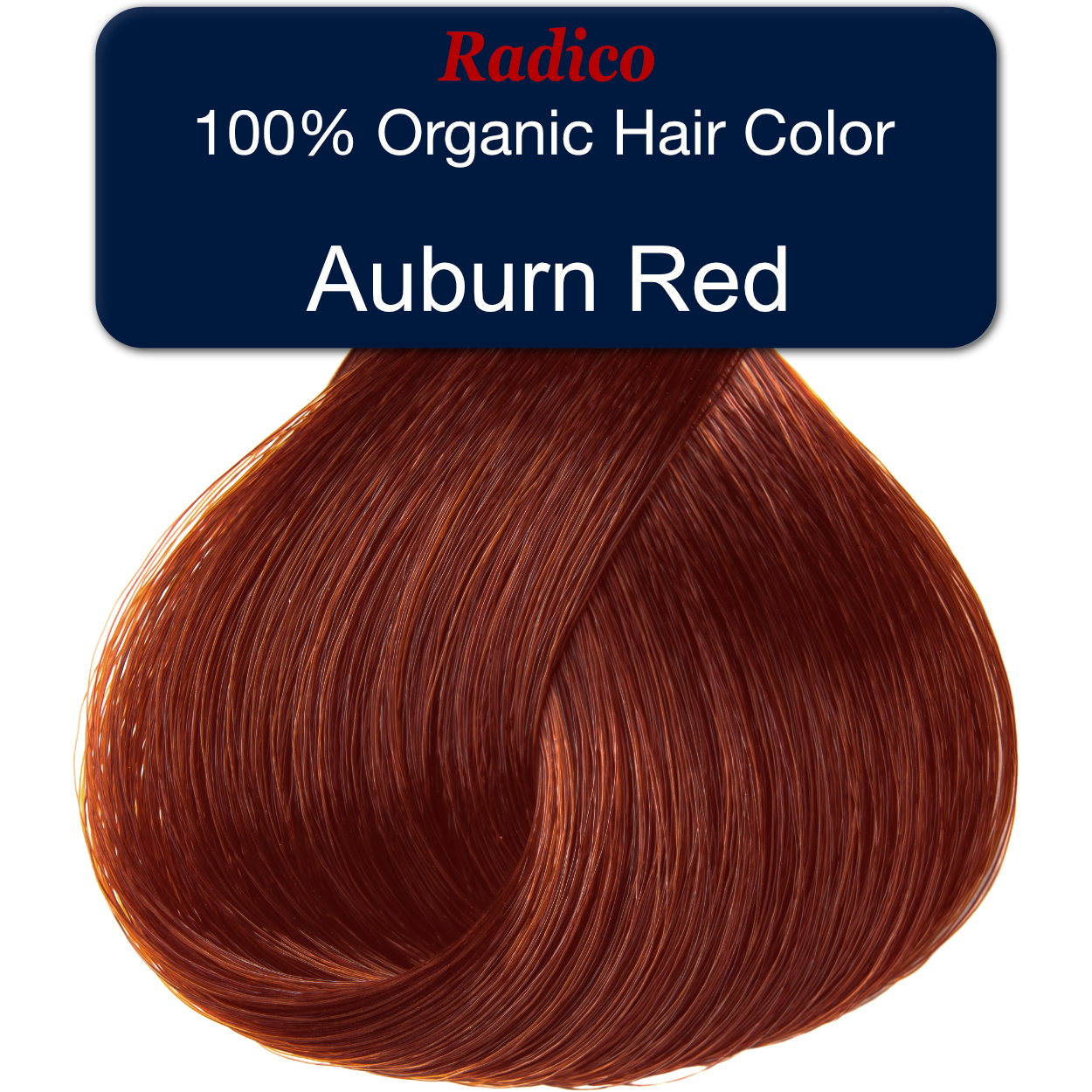
Auburn Red
Henna's own colour, barely adjusted. The most natural-looking red, and the slowest of any to fade.
Shop this shade →
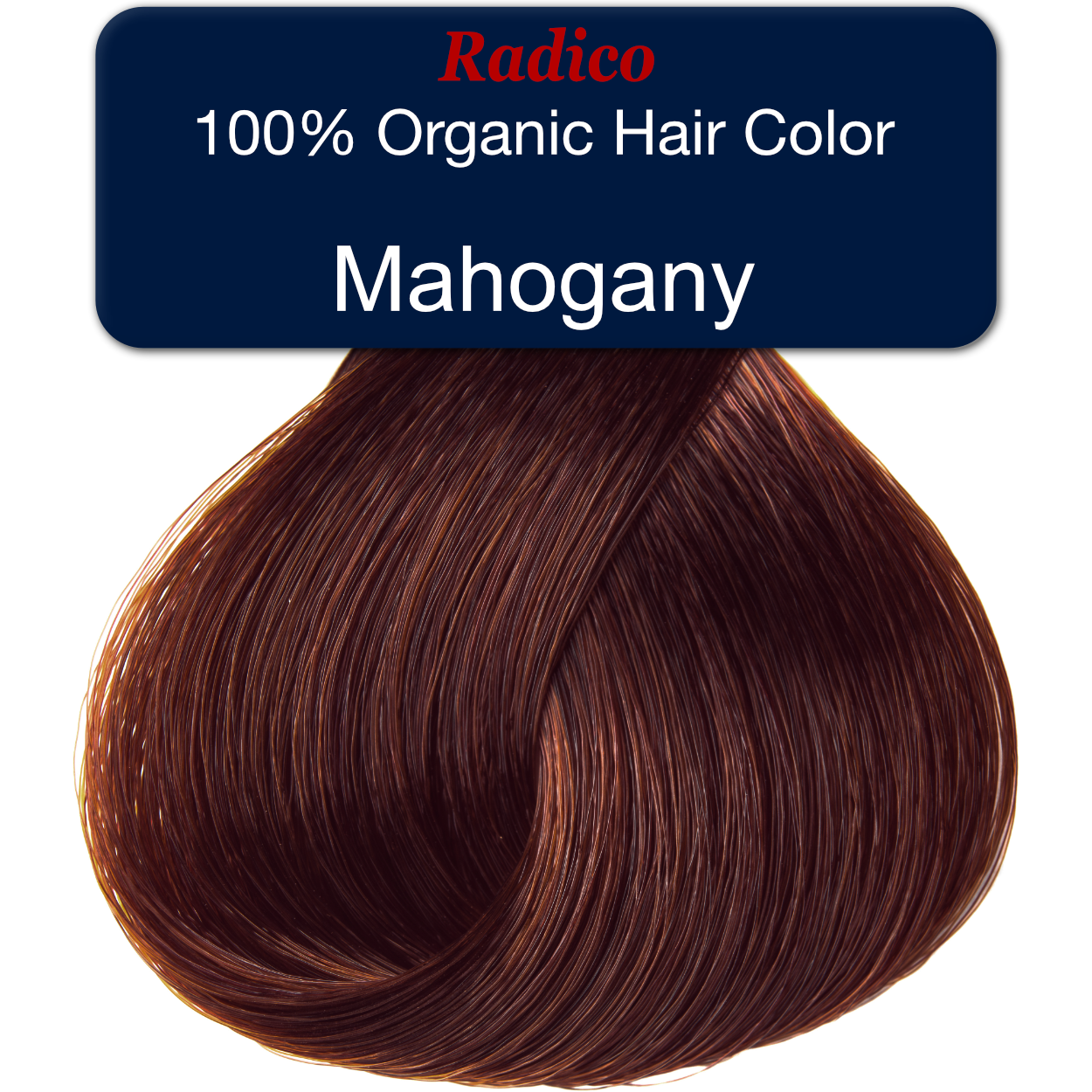
Mahogany
A red-brown. More indigo holds the red back, so it reads richer and less vivid than Auburn.
Shop this shade →
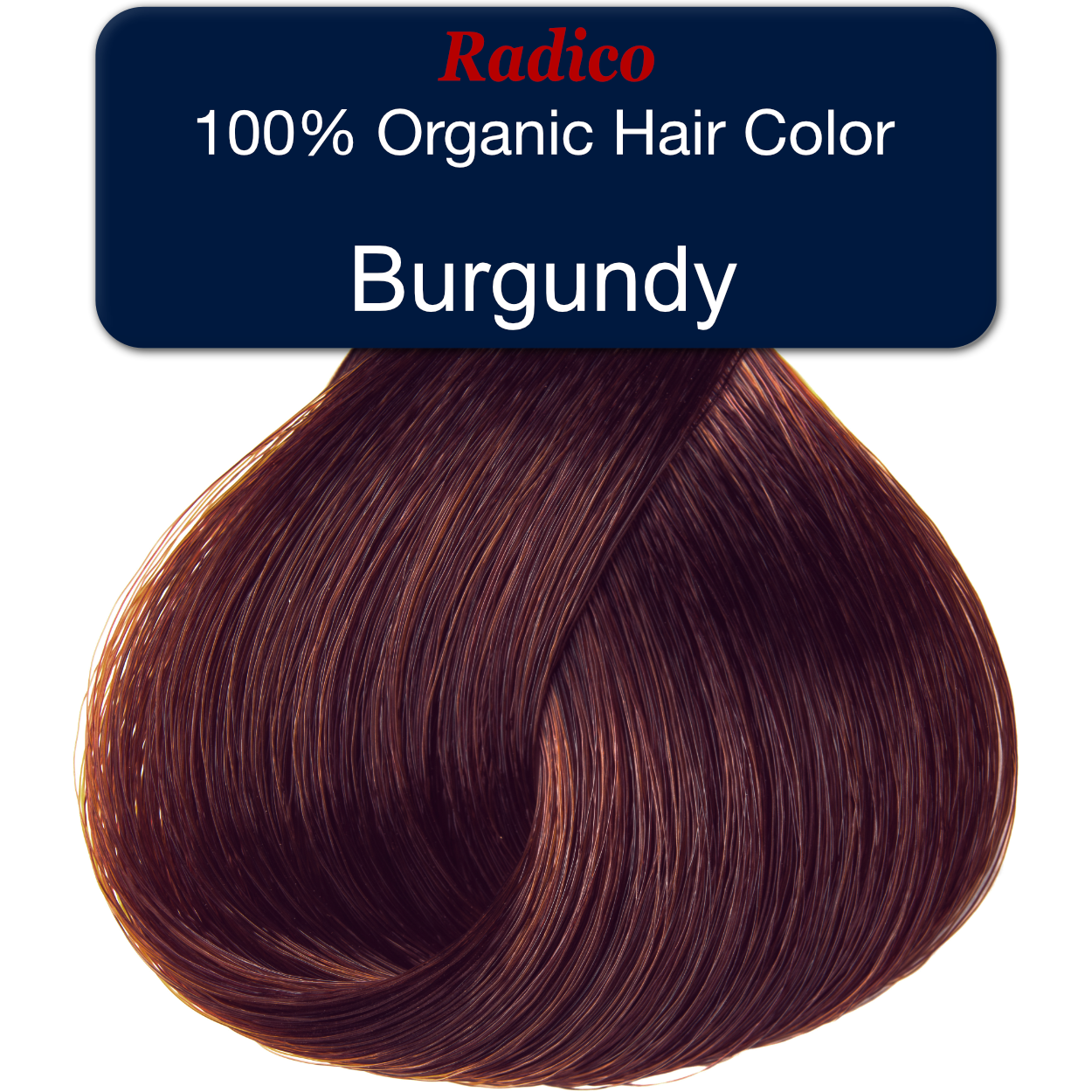
Burgundy
The deepest and most purple-leaning red. Manjistha carries the wine tone that Mahogany doesn't have.
Shop this shade →
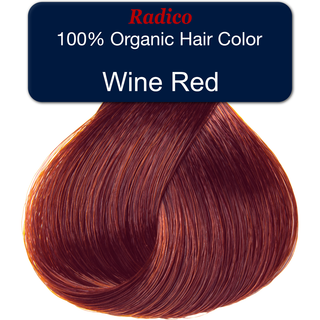
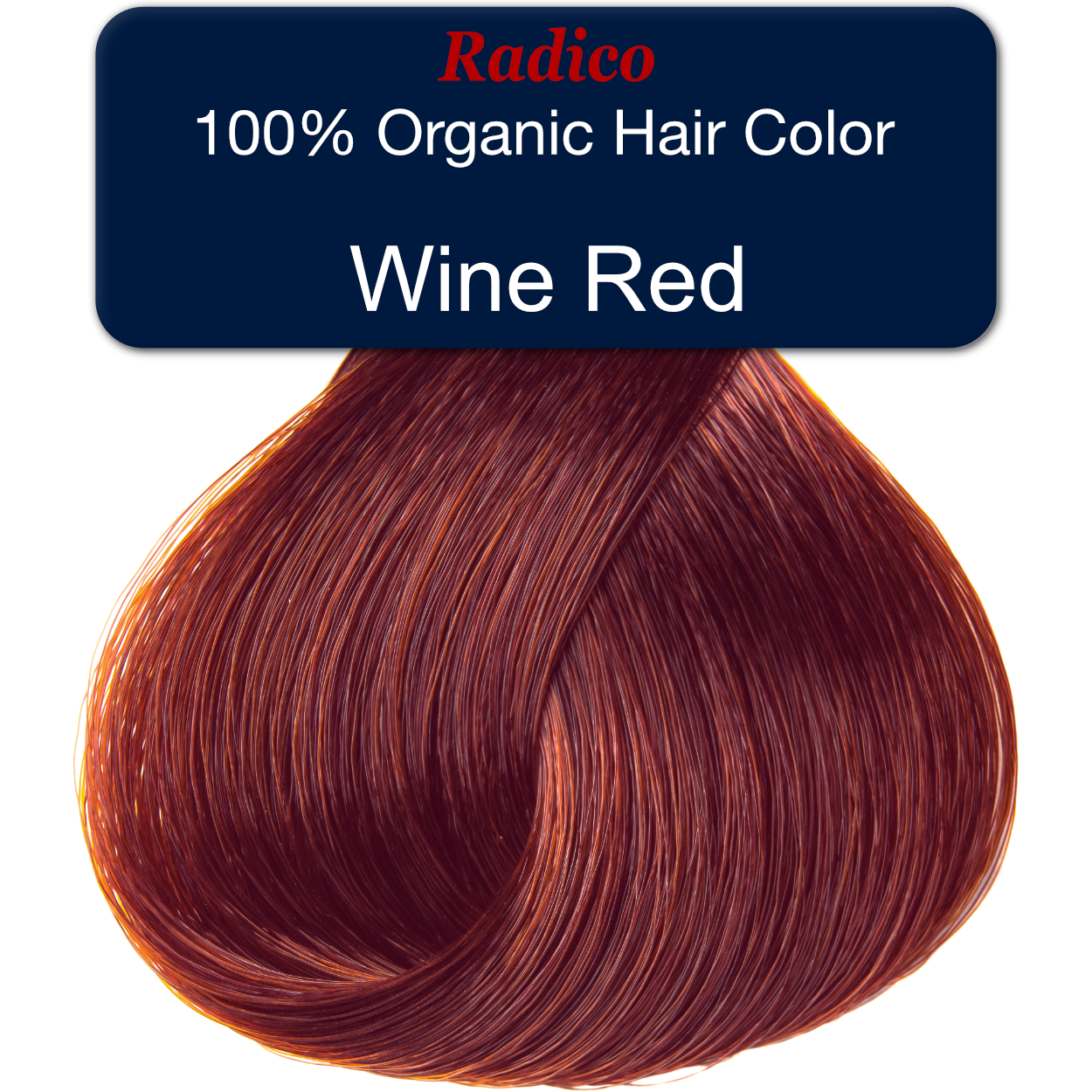
Wine Red
Similar depth to Burgundy, reached without any indigo — so it settles faster and stays clear as it fades.
Shop this shade →
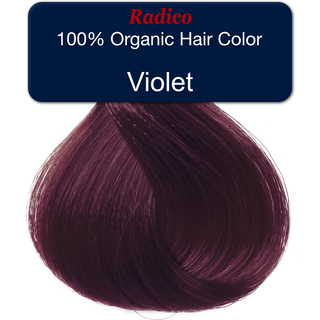
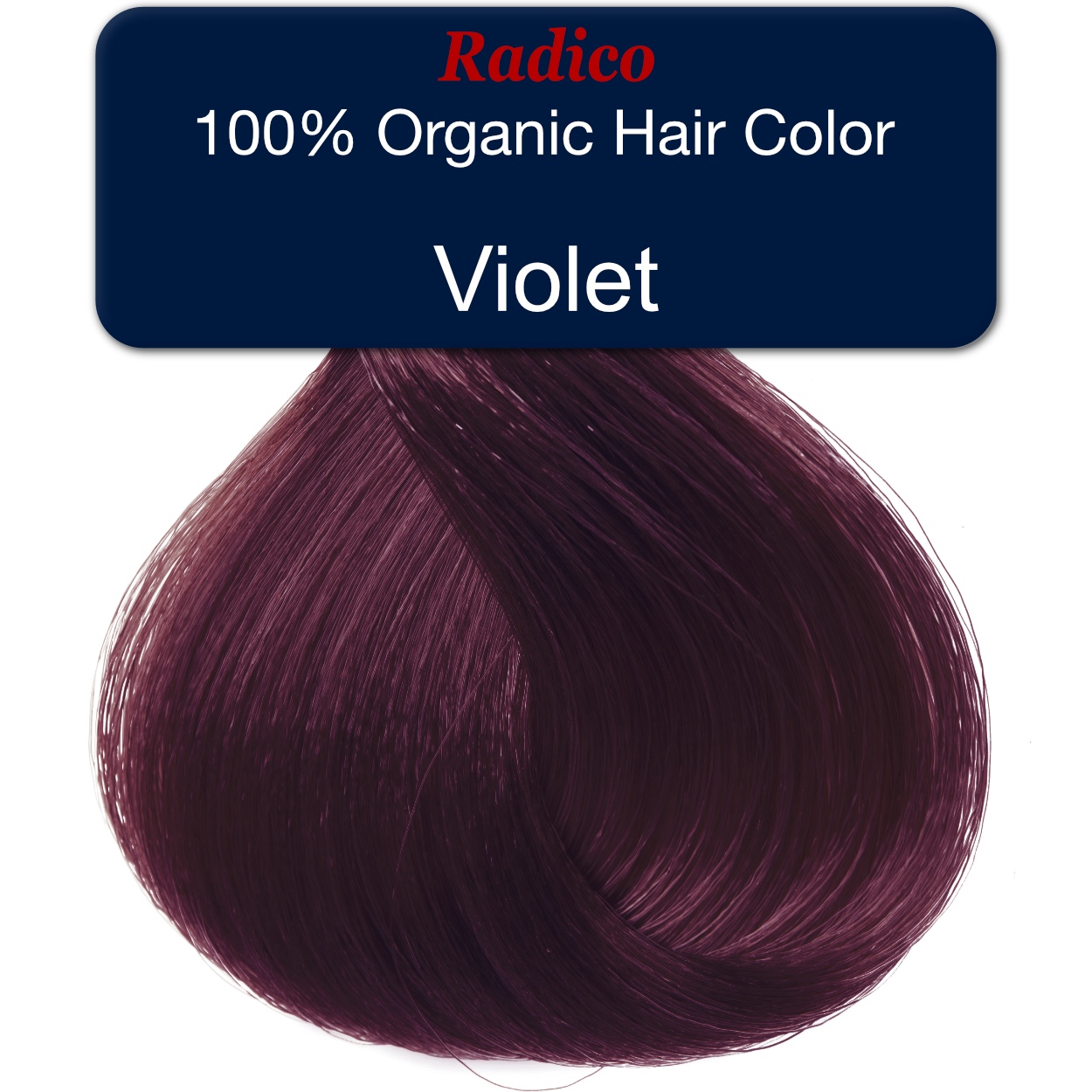
Violet
The outlier. No henna at all, so it behaves like the ash shades — cool, slow, and only visible on light hair.
Shop this shade →What actually decides it
Burgundy and Wine Red land at a similar depth by two different routes. Burgundy uses indigo, so it develops over three days; Wine Red doesn't, so it's done in one. Violet sits apart from all of them — treat it like an ash shade, not a red.
Set 5 of 5
The Light Reds
"How bright do I want the red to be?"

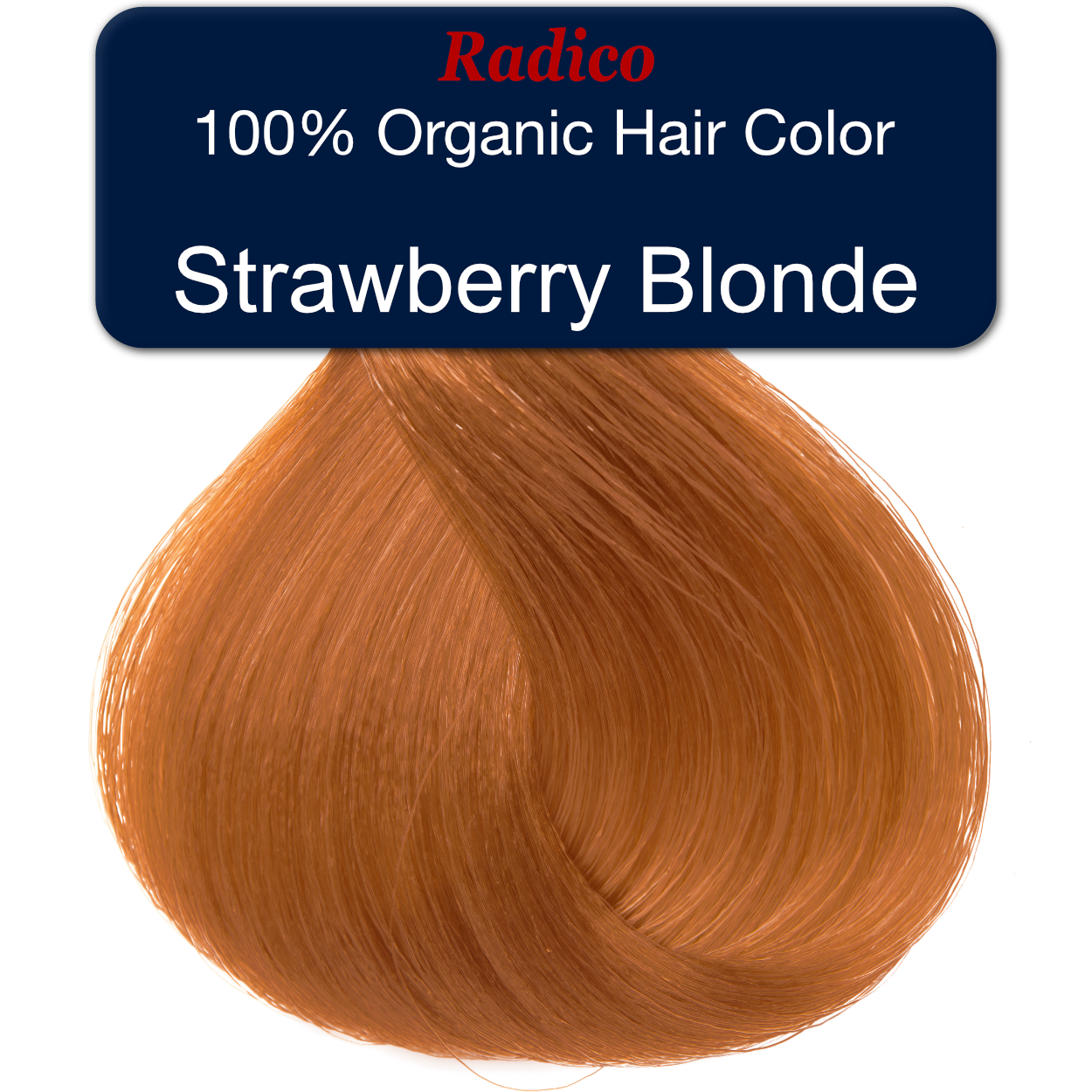
Strawberry Blonde
The brightest red we make. Nothing in the blend cools it, so henna's warmth reaches the hair unshaded.
Shop this shade →
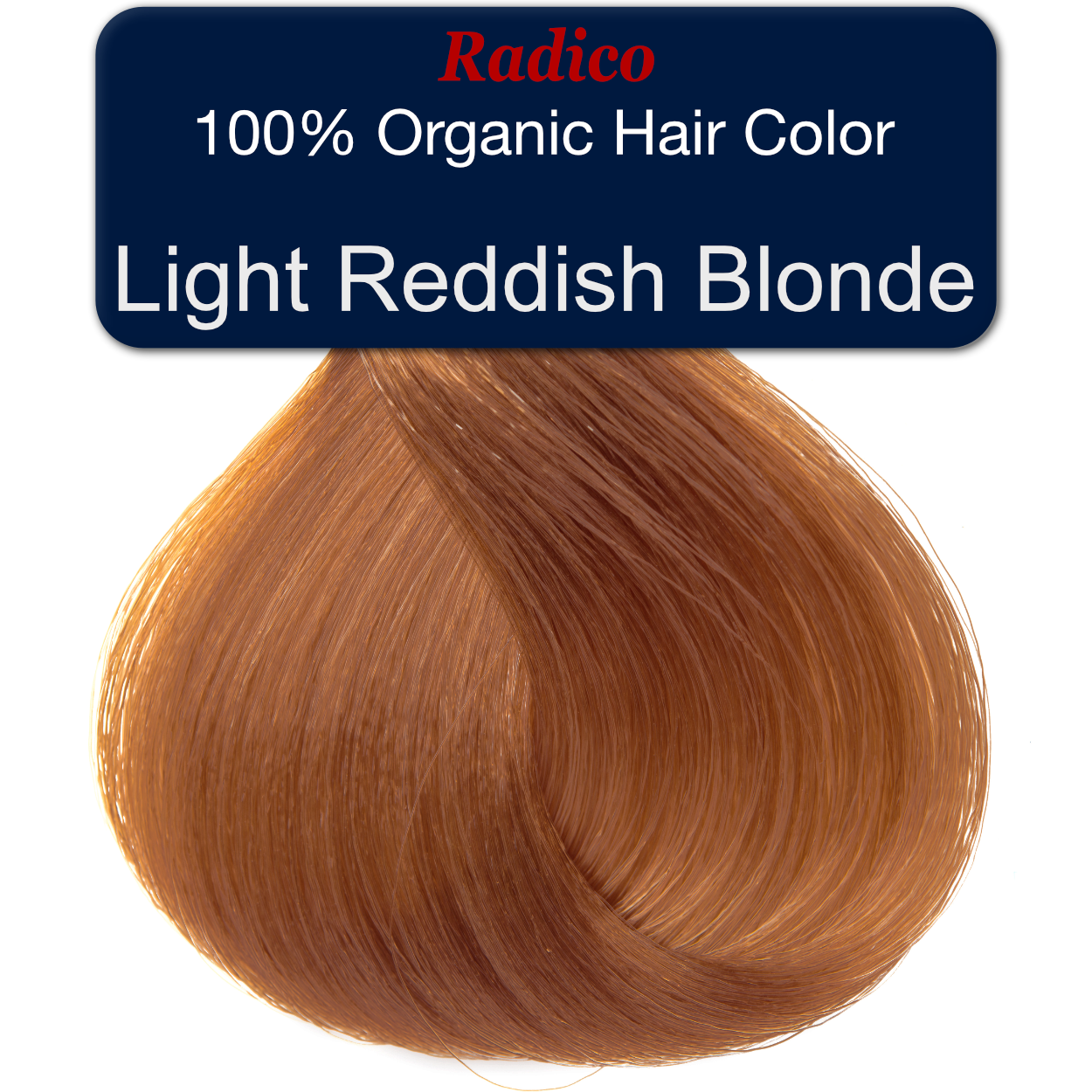
Light Reddish Blonde
The palest of the three. A whisper of red over a light base — the gentlest way into a red at all.
Shop this shade →
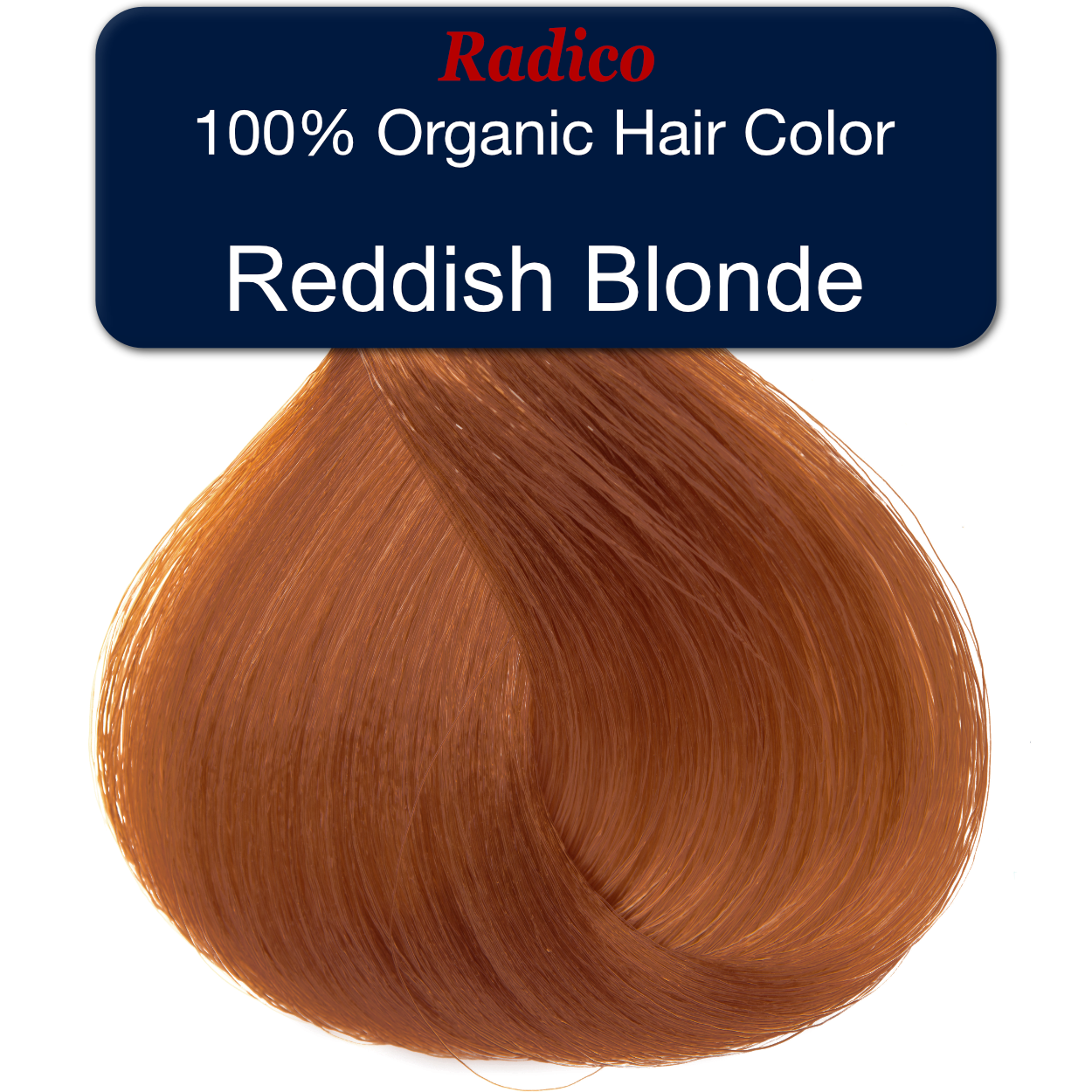
Reddish Blonde
A step deeper, with a little indigo for grounding — softer and steadier than Strawberry.
Shop this shade →What actually decides it
All three are light shades and all three need a light base to show. The difference is indigo: Strawberry has none and stays bright, while the two Reddish shades carry a trace that quietens the copper. If you're trying red for the first time, start at the palest.

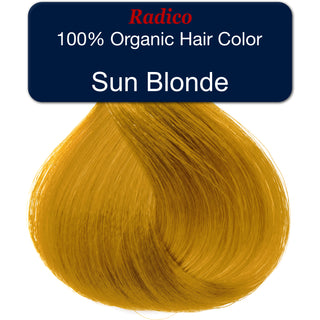
Sun Blonde isn't in any of these sets. It contains neither henna nor indigo — its only pigment is turmeric, alongside herbs that cleanse. It brightens hair by clearing buildup rather than colouring it, so it can't be compared with the shades above.
See Sun Blonde →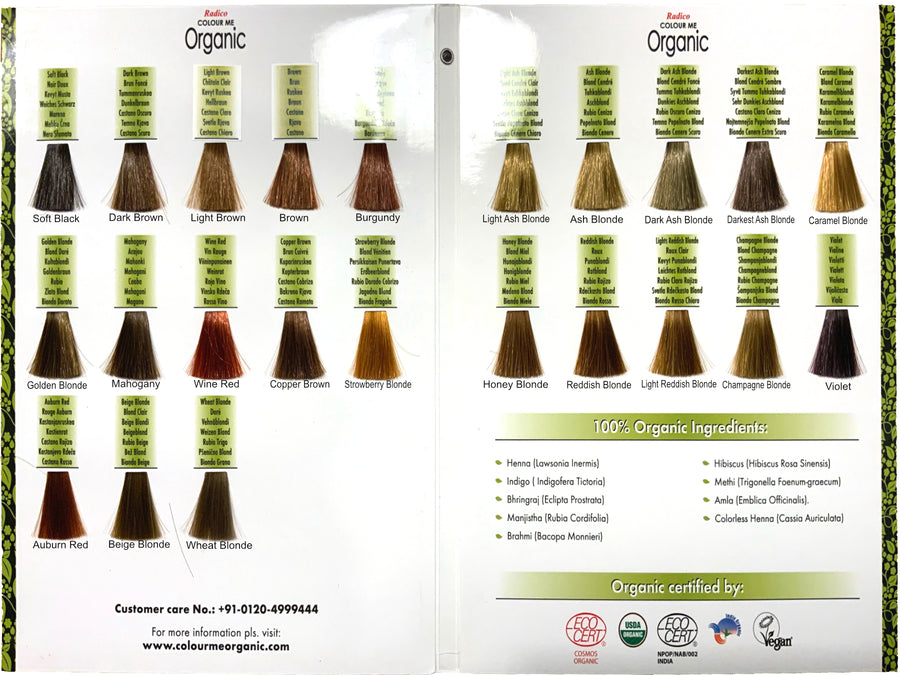


Why Radico
Certified Organic.
And Still 24 Shades.
Plant-based colour usually asks you to choose: a real certification, or a real choice of colour. Most natural ranges offer a handful of shades — a black, a couple of browns, one red. This page has twenty-four, and every one of them carries the same certification.

COSMOS ORGANIC
Certified by ECOCERT. Radico was the first hair colour brand in the world to earn it, in 2012.
24
shades
Black to blonde
Ash tones, warm blondes, coppers, reds and violet — the full spectrum, not a starter set.
12
herbs
Nothing else in the pouch
All 24 shades are drawn from the same small group of plants. No base formula, no carrier chemicals.
0
added chemicals
No peroxide, no PPD
Nothing is bleached, nothing is forced open. The colour is added, never stripped in.
We'd rather tell you what it can't do. Plant colour won't lighten your hair, and a pale shade won't show on dark hair — we've said so on this page rather than leaving you to find out. A certification proves what's in the pouch. Being straight with you is the part we hold ourselves to.