


Dark Brown
Organic Hair Color That Protects While It Colors
The antioxidant alternative to chemical hair dye.
Certified COSMOS ORGANIC by ECOCERT. 7 herbs. No synthetics.
Certified COSMOS ORGANIC by ECOCERT.
The world's first hair color brand to earn this certification (2012).
Free from peroxide, ammonia, PPD, parabens, and all synthetic chemicals.
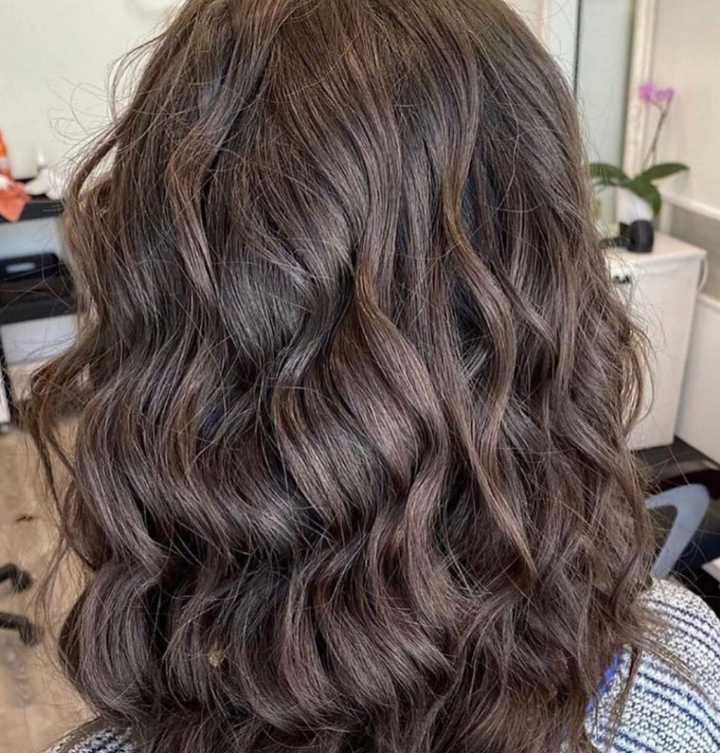
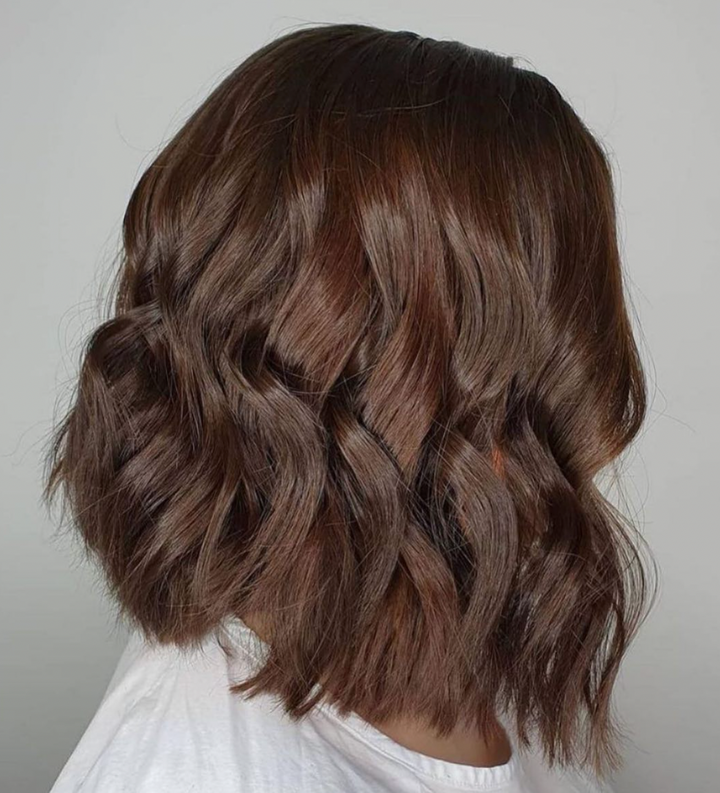

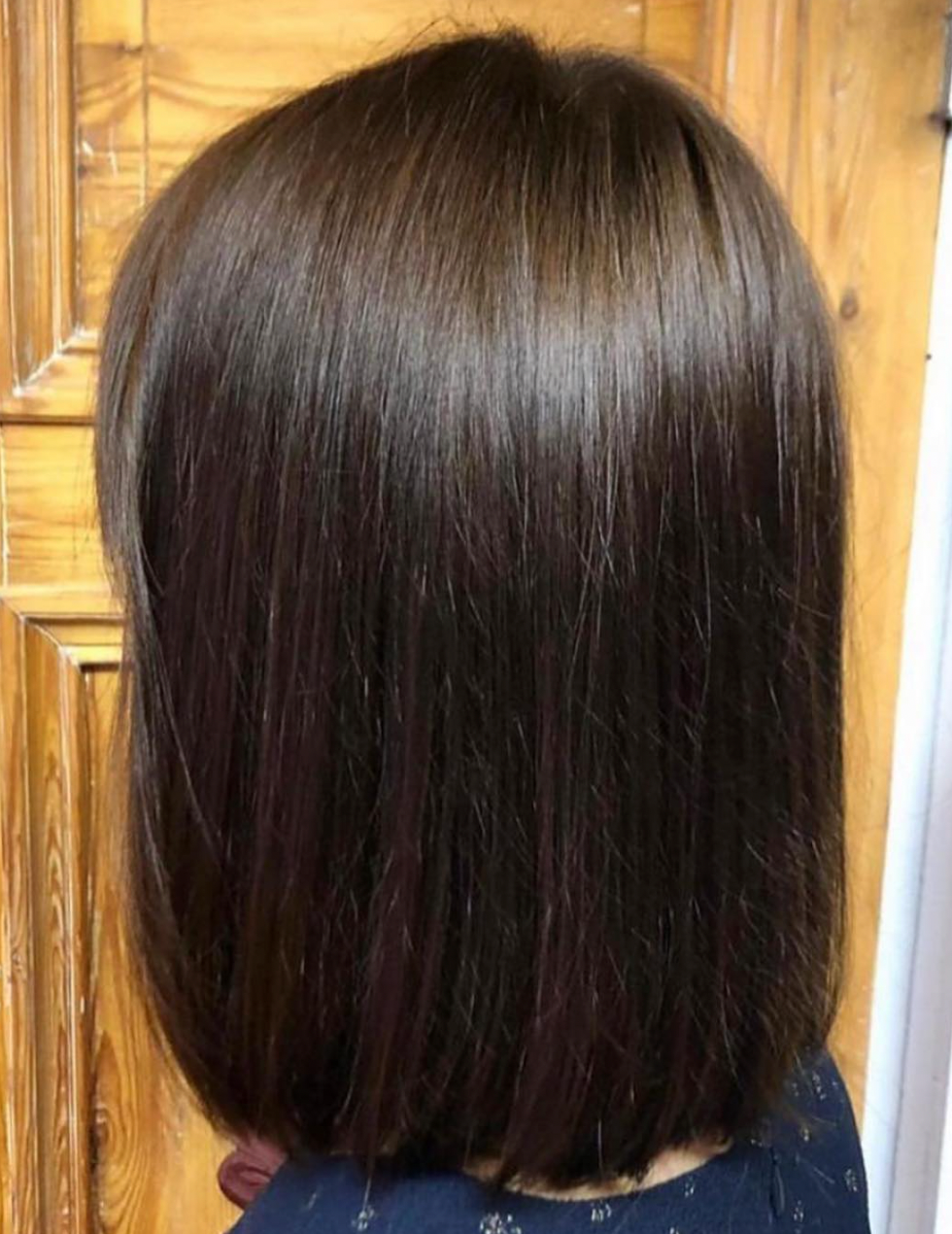


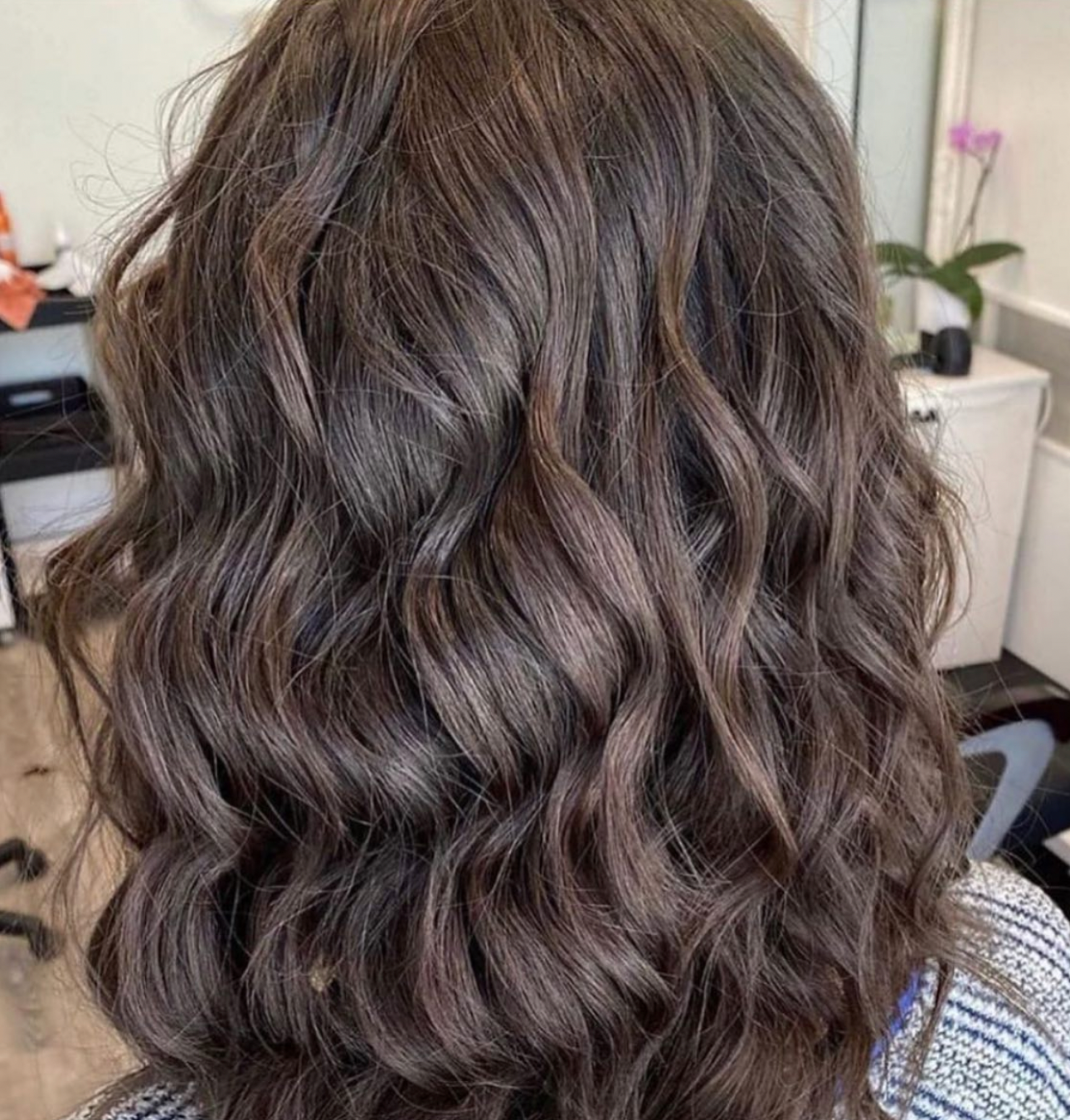

Why Dark Brown Colors Differently
Conventional hair dye works through oxidation — the same chemical process that damages and ages hair over time. Peroxide forces the hair shaft open and triggers a reaction that deposits synthetic pigment — at the cost of your hair's health.
Dark Brown works in the opposite direction.
Seven organic herbs — Henna and Methi seed both containing Lawsone that binds directly to keratin, Hibiscus adding Flavonoids for depth and warm undertones, and Amla providing Vitamin C to balance and strengthen — deliver rich, lasting color through antioxidants that actively protect hair from oxidative stress. Every application strengthens rather than depletes.

The result reflects this difference.
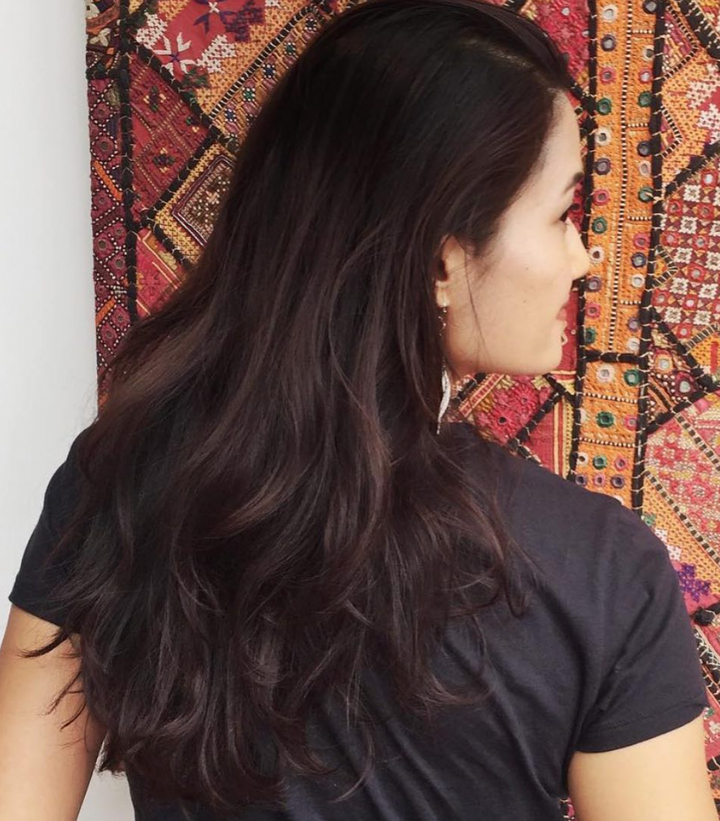
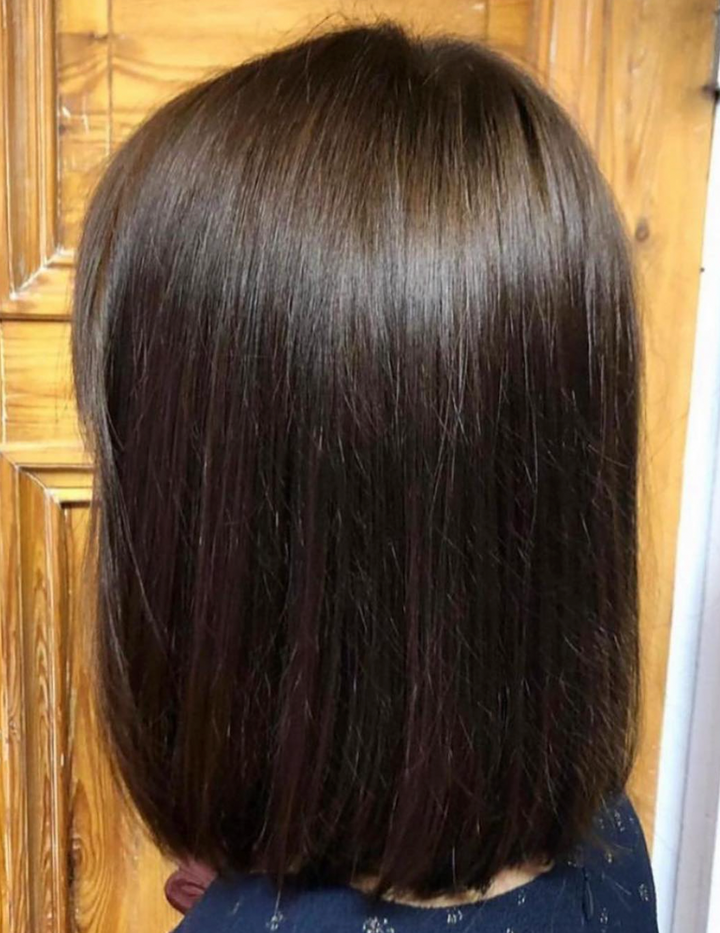
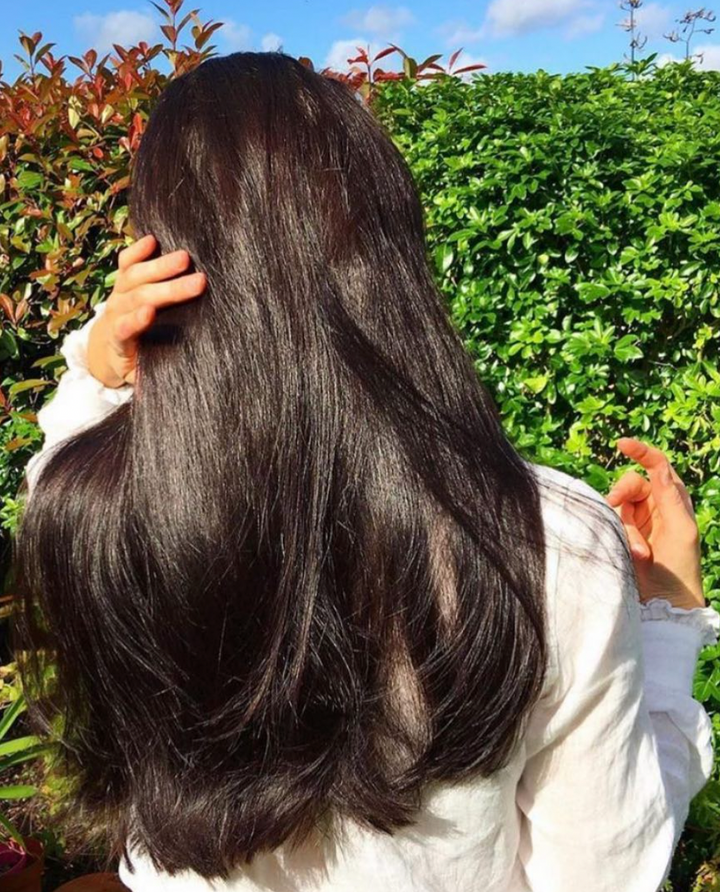
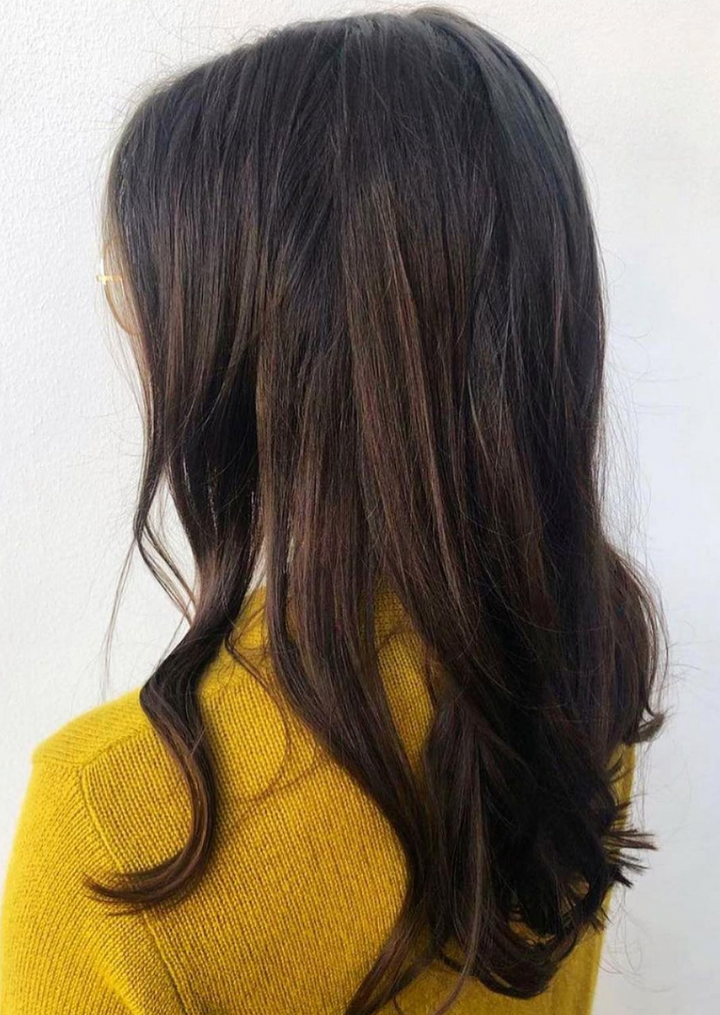
Natural dark brown hair is never a single, flat tone. Under bright sunlight, its internal pigments shift — revealing warm chestnut and auburn undertones that give the hair depth, dimension, and life. Chemical dyes flatten this complexity into a uniform color. Dark Brown reproduces it.
7 organic herbs - each contributing a distinct layer of pigment — work together to create the same multi-dimensional warmth found in naturally dark brown hair.
Hibiscus adds the subtle violet depth. Henna and Methi build the warm brown foundation. Amla balances the tone so it reads as natural, not dyed.
Not a chemical imitation of brown. The real thing, made from herbs.
Why Dark Brown Sometimes Develops with Auburn Undertones
Dark Brown contains both Henna (Lawsonia inermis) and Indigo (Indigofera tinctoria), balanced by Amla (Phyllanthus emblica) to create its characteristic warm brown tone.
Henna naturally produces a strong red orange pigment. Indigo contributes the cool depth that shifts the result toward brown. Amla tones down the red to keep the final color balanced and natural.
When hair lacks sufficient moisture during application, Indigo's development slows — leaving Henna's warmer tones more dominant. The result reads as auburn or chestnut rather than dark brown.
This is not a product defect. It is a natural balance that requires adequate moisture to complete.
→ Always perform a strand test before your first full application.
→ Apply to damp hair and cover with a shower cap to retain moisture.
our company’s data collected from Mar 21, 2024 to Mar 20, 2025
Dark Brown – The Bestseller (25.8%)
Dark Brown is our most popular shade, chosen by 25.8% of our customers—about one in four. As showcased in genuine customer photos, Dark Brown is crafted entirely from natural, organic ingredients to deliver a rich, authentic hue that enhances your hair’s natural vibrancy. It blends seamlessly with dark hair, offering a subtle yet striking transformation that looks both refined and natural. Trust in Dark Brown as the go-to choice for those seeking a lasting, natural hair color that truly brings out the beauty of your hair.

7 Herbs. Each with a Purpose.
Dark Brown is made from a blend of seven carefully selected herbs
① Indigo Leaf (Indigofera tinctoria)
② Henna Leaf (Lawsonia inermis)
③ Hibiscus Flower (Hibiscus rosa-sinensis)
④ Methi / Fenugreek Seed (Trigonella foenum-graecum)
⑤ Amla Fruit (Phyllanthus emblica)
⑥ Bhringraj Leaf (Eclipta alba)
⑦ Manjistha Root (Rubia cordifolia)
to achieve a rich, warm dark brown with natural depth and dimension. Each herb plays a specific role: Henna and Methi provide the warm brown base through Lawsone binding directly to hair's keratin protein. Hibiscus adds subtle violet undertones that give the color depth and prevent it from reading as flat. Amla balances the red of Henna into a natural brown tone. Indigo, Manjistha, and Bhringraj enhance pigmentation, improve color penetration, and help the hair retain its color over time. This synergy of seven herbs creates a multi-dimensional brown that looks natural in every light — while keeping your hair healthy and vibrant.
Dark Brown Hair Coloring Ingredients

Indigo Leaf (Indigofera tinctoria)
The active ingredient in indigo for dyeing hair is a glycoside, a combination of glucose and Indoxyl. Indigo leaves contain this compound naturally in the form of the glycoside.

Henna Leaf (Lawsonia inermis)
The active ingredient in henna for dyeing hair is lawsone, also known as hennotannic acid. Lawsone binds with the keratin protein found in hair to color and deeply condition it.

Manjistha Root (Rubia cordifolia)
Manjistha root contains quinones, glycosides, iridoids, oleananes triterpenoids, bicyclic hexapeptides, and anthraquinones. It is believed to enhance hair color by promoting pigmentation.

Hibiscus Flower (Hibiscus rosa-sinensis)
The active ingredient in hibiscus for dyeing hair is flavonoids and amino acids. These natural ingredients are necessary to produce keratin, giving violet and plum highlights to hair.

Methi / Fenugreek Seed (Trigonella foenum-graecum)
The active ingredient in methi seed hair dye is typically lawsone (2-Hydroxy-1,4-naphthoquinone), an isomer of juglone. It is one of the oldest dyes used for hair coloring and pigmentation.

Amla Fruit (Phyllanthus emblica)
Amla is most often used as a color adjuster to tone down the red of henna. Vitamin C in amla powder strengthens, revitalizes, and stimulates healthy hair growth, preventing hair dyeing.

Bhringraj Leaf (Eclipta alba)
Ecliptin is the active ingredient in hair dye bhringraj leaf. Bhringraj leaves contain Wedelolactone, haritaki, and Jatamansi, which help hair retain its original color.
Ayurvedic Herbs for Healthy Hair and Scalp
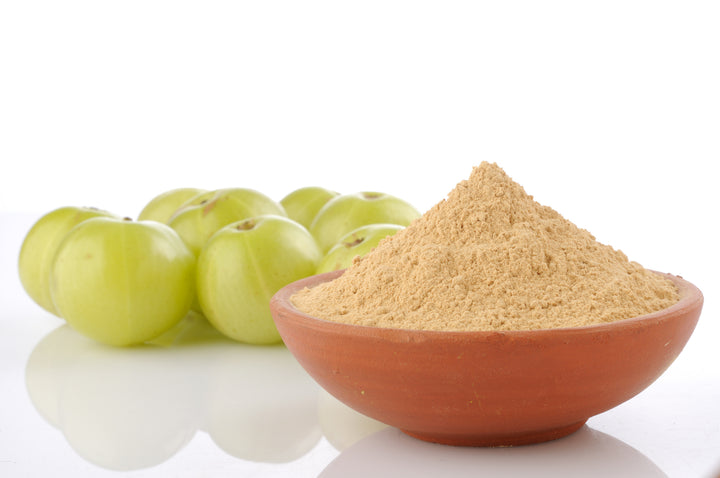
Amla Fruit (Phyllanthus emblica)
Amla is a natural storehouse of Vitamin C and antioxidants, enriched with high levels of Iron content, making it an indispensable component in hair care products. It is also rich in elements like Ellagic Acid[2] phosphorus, and Gallic Acid These work in tandem to improve blood circulation in the scalp area, stimulating hair growth and strengthening hair follicles. It is also a potent inhibitor of the 5-alpha reductase enzyme, which converts testosterone to the androgenic alopecia-causing dihydrotestosterone.[1]
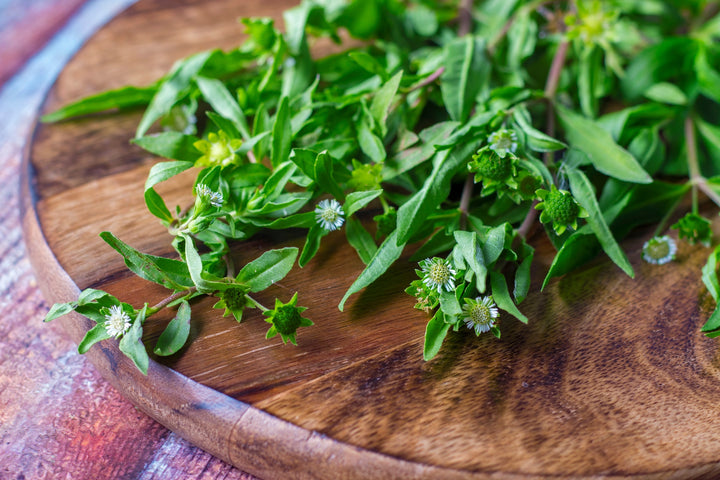
Bhringraj Leaf (Eclipta alba)
Bhringraj can increase the size and density of hair follicles and encourage strong and healthy hair growth. Additionally, it is an effective remedy to prevent and manage hair loss and premature greying of hair. It is popularly used to enhance strength, softness, luster, and hair growth[4]. Bhringraj contains various biological components, including flavonoids, phytosterols, and coumestans. And Bhringraj is a herb that is rich in vitamins and minerals. It contains vitamins D and E, magnesium, calcium, and iron.
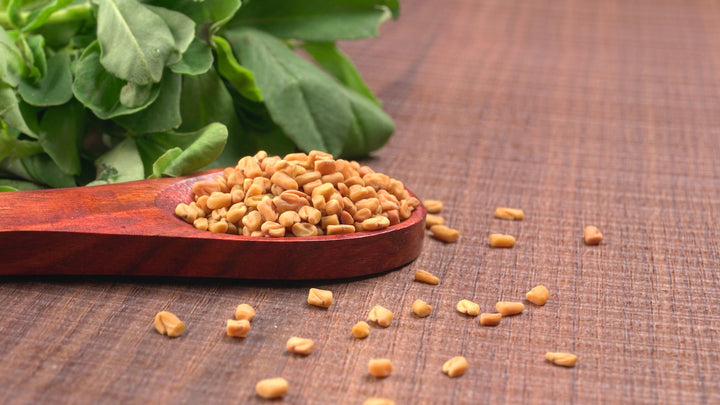
Methi / Fenugreek Seed (Trigonella foenum-graecum)
Methi seeds are one of the top remedies to control dandruff naturally. In general, anyone can benefit from the protein and anti-inflammatory[5] properties found in Methi powder. Methi seeds, as it is more commonly known, are one of the best ayurvedic treatments for dandruff. The antibacterial properties of methi seeds help combat dandruff, nourish the scalp to fight flakes, and give you a clear and healthy scalp.
Active ingredient
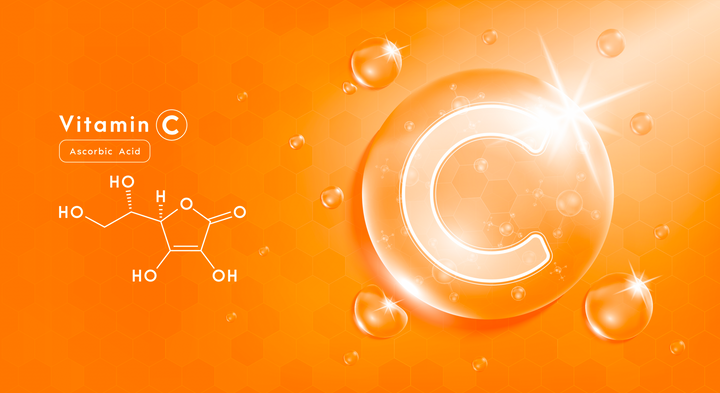
Vitamins C
Your body needs vitamin C to create a protein known as collagen — an essential part of the hair structure. Vitamin C (ascorbic acid) can act as a mild clarifying agent in shampoo and can be effective in helping remove mineral buildup accumulated on the hair's surface.
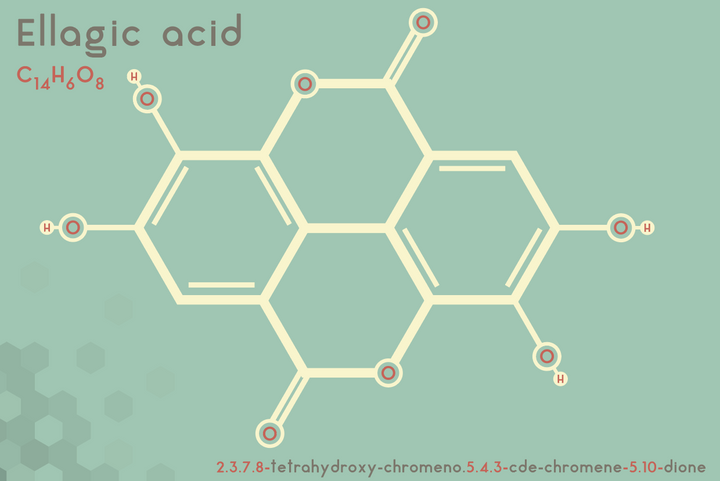
ELLAGIC ACID
In nuts, vegetables, and fruits, ellagic acid was found to obstruct the production of collagen-damaging MMP enzymes and inhibit ICAM, a molecule that plays a part in inflammation.
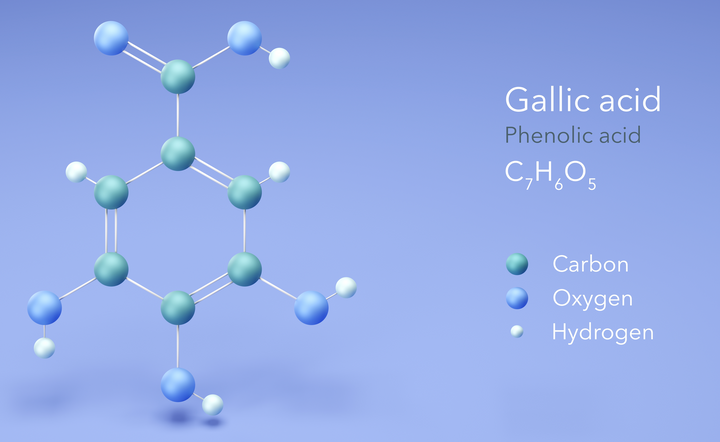
GALIC ACID
Gallic acid is a phenolic acid found in fruits, nuts, wine, and tea. It has antioxidants and is antimicrobial.
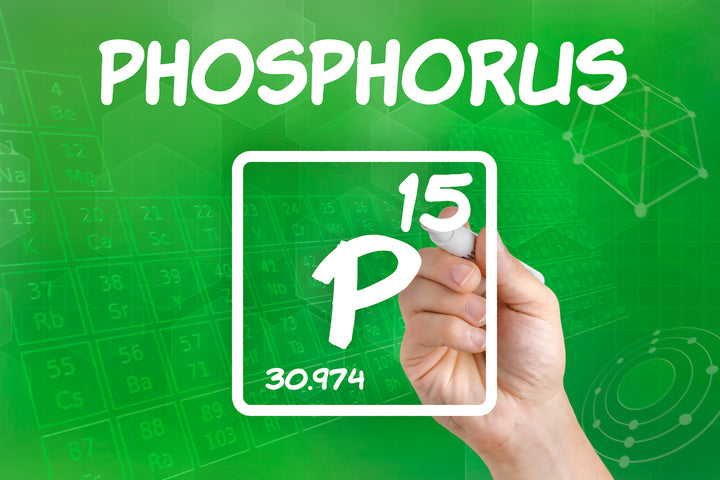
PHOSPHORUS
One study found that l-ascorbic acid 2-phosphate, which contains phosphorus, promotes hair growth by stimulating the secretion of insulin-like growth factor-1 from dermal papilla cells. [3]
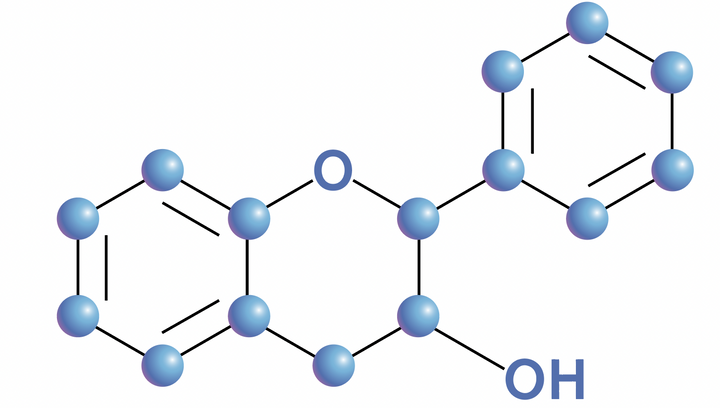
FLAVONOIDS
Flavonoids are antioxidants that help reduce inflammation, redness, stress, and skin aging.
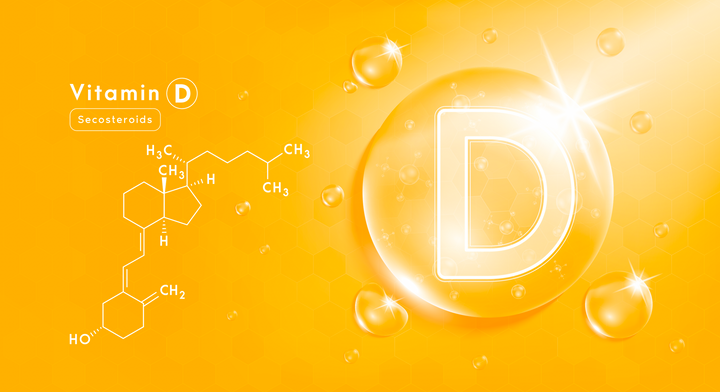
Vitamins D
Vitamin D is responsible for regulating the sebum content in the body. A deficiency could lead to an imbalance in our scalp oil levels.
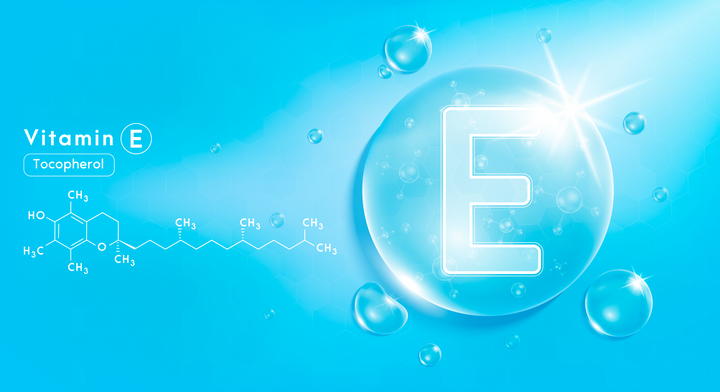
Vitamins E
Vitamin E may help support a healthy scalp and hair as it has natural antioxidant effects and is a trusted source that could assist with maintaining hair growth. Like vitamin C, vitamin E is an antioxidant that can help prevent oxidative stress.
Black & Brown Shades


